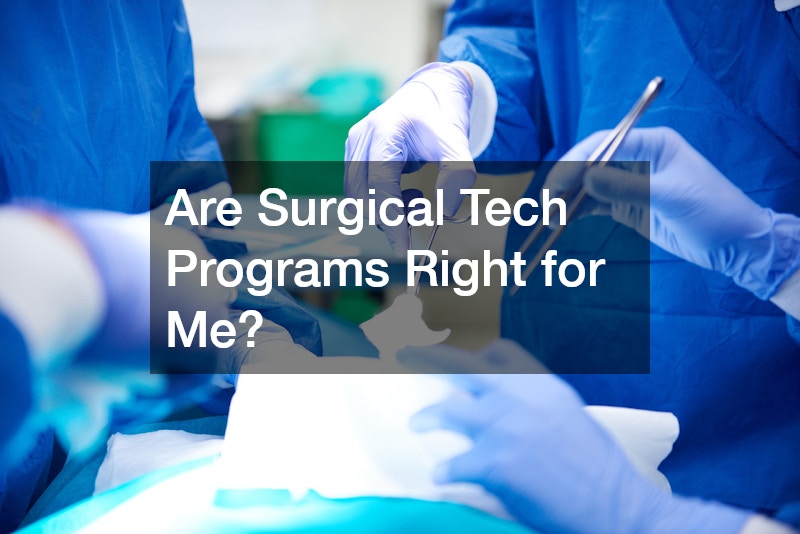

Surgical technologist programs, often referred to as surgical tech programs, are becoming an increasingly popular educational choice for those interested in entering the healthcare field. With the growing demand for healthcare services and advancements in medical technology, the role of the surgical technologist has evolved into a critical component of the surgical team. This article aims to explore the suitability of surgical tech programs for individuals considering a career in this rewarding field, focusing on the responsibilities, educational requirements, duration, benefits, and challenges associated with becoming a surgical technologist.
The healthcare sector has seen rapid growth, leading to numerous opportunities for careers in surgery and operating room assistance. Surgical technologists play a pivotal role by ensuring that the operating room environment is safe, equipment functions correctly, and procedures are conducted smoothly.
By delving into these various facets of surgical tech roles, this article seeks to equip aspiring healthcare professionals with the information needed to make an informed career decision.
As surgical procedures increase due to an aging population and expanded healthcare access, the role of a surgical tech becomes indispensable. The need for meticulous attention to detail and the ability to work under pressure makes this profession both challenging and rewarding. This article will assist you in understanding whether your skills and interests align with the demands of a surgical tech career, ultimately aiding in determining if this path is the right fit for you.
1. What does a Surgical Tech do?
A surgical technologist, also known as a scrub tech, plays an essential role in the operating room team. Their primary responsibility is to assist surgeons during procedures by ensuring that all surgical tools and the environment are prepared and maintained sterile. Before operations, surgical techs are tasked with setting up the operating room with the correct instruments, making certain that everything is ready for the procedure at hand. During the surgery, they pass instruments to surgeons and help maintain the sterile field. Afterward, they are responsible for cleaning instruments and counting supplies to ensure nothing is unaccounted for, ensuring patient safety.
Surgical technologists also prepare patients for surgery by disinfecting incision sites and helping position patients on the operating table. Their role involves a deep understanding of the procedures they assist with, as they must anticipate the needs of the surgical team to minimize delays during surgery. Besides technical skills, surgical techs must possess excellent communication and interpersonal abilities, as they must convey important information efficiently in high-pressure situations. The ability to remain calm and detail-oriented during emergencies is a critical trait for surgical technologists. As healthcare environments continue to evolve, the role and responsibilities of surgical techs adapt accordingly, making they stay updated with the latest protocols and technologies.
Surgical technologists work closely not only with surgeons but also with anesthesiologists, nurses, and other healthcare professionals. They are integral to making the surgery run smoothly while maintaining the highest standards of patient care. Teamwork, adaptability, and technical proficiency are core attributes that define successful surgical technologists. By directly impacting the success rate of surgeries and patient recovery, surgical technologists contribute significantly to patient care and outcomes. As a result, this career offers both professional satisfaction and impactful results, aligning well with individuals interested in making a difference in the medical field.
2. What are the prerequisites for enrolling in a Surgical Tech Program?
To enroll in a surgical tech program, prospective students typically need to have a high school diploma or equivalent. Many programs require applicants to pass an entrance exam that assesses their fundamental skills in mathematics, reading comprehension, and sciences. These assessments ensure that students have the foundational knowledge necessary to succeed in the program’s specialized coursework. Some programs may require prior experience or certification in healthcare-related fields, particularly for accelerated programs or those offering advanced specialties. It’s also common for programs to conduct interviews or require letters of recommendation to evaluate the candidate’s dedication and suitability for the field.
While academic qualifications are important, personal attributes also play a vital role in becoming a successful surgical tech. The ability to work efficiently under pressure, attention to detail, good hand-eye coordination, and communication skills are highly valued. Many programs incorporate these aspects into their admissions criteria by looking for candidates who demonstrate potential in handling the rigors and demands of the operating room environment. Some applicants may need to undergo background checks or complete health screenings, reflecting the importance of maintaining patient safety and care standards. As healthcare technology evolves, surgical technologists must be adaptable and willing to engage in lifelong learning to stay current with medical advancements.
An increasing number of programs offer flexible study options, such as online classes and part-time schedules, making this career path more accessible to a diverse range of candidates. These flexible pathways help those who are balancing other responsibilities, such as family commitments or employment, to pursue their passion for healthcare. Financial aid and scholarships are often available to assist with tuition, making surgical tech programs a feasible option for many aspiring students. Understanding these prerequisites allows candidates to assess their preparedness and commitment to pursuing a career as a surgical technologist. With careful planning and determination, students can successfully navigate the enrollment process and embark on a rewarding career path.
3. How long does it take to complete a Surgical Tech Program?
The duration of surgical tech programs can vary depending on the type of program and the educational institution offering it. Typically, a diploma or certificate program in surgical technology can be completed in approximately 12 to 18 months. These programs are designed to provide practical and theoretical knowledge quickly, allowing graduates to enter the workforce in a relatively short time frame. Associate degree programs in surgical technology usually take about two years to complete and offer a more comprehensive education and broader general education courses alongside the core surgical curriculum. Both types of programs prepare students to sit for certification exams, which are often necessary for employment.
Several factors, such as program curriculum, clinical rotation hours, and the institution’s schedule, can influence the total time required. Some schools offer accelerated programs that enable highly motivated students to complete their studies faster, often by attending classes without breaks between terms. The integration of online components in some programs can offer additional flexibility, allowing students to manage their studies alongside other life responsibilities. While the primary goal is to prepare students for direct entry into surgical tech roles, many programs also lay the groundwork for further educational pursuits, such as advanced certifications or bachelor’s degrees. This flexibility allows graduates to tailor their career paths based on individual goals and opportunities within the healthcare industry.
Potential students should assess the program’s accreditation status to ensure that it meets industry standards and enhances their employability after graduation. Accredited programs have undergone rigorous evaluations, verifying that they offer quality education aligned with current healthcare demands. Completing an accredited program not only prepares students for certification exams but also boosts their prospects for job placement and career growth. As surgical technology continues to advance, involving robotics and minimally invasive procedures, the knowledge and skills gained in these programs become increasingly valuable. By committing to a surgical tech program, students embark on a dynamic career path that offers lifelong learning and professional fulfillment.
4. What are the potential benefits and challenges of becoming a Surgical Tech?
One of the main benefits of becoming a surgical tech is the opportunity to work in a dynamic and fast-paced healthcare environment. The role offers daily challenges that require critical thinking and problem-solving, fostering continuous professional growth. Surgical techs have the satisfaction of knowing that their work directly contributes to patient recovery and positive healthcare experiences. This profession offers a competitive salary and job stability, given the high demand for skilled surgical technologists across various healthcare settings. Furthermore, the varied nature of surgeries provides surgical techs with diverse experiences, making their work both engaging and educational.
Healthcare is an ever-evolving field, and surgical technologists must keep pace with new techniques, tools, and technologies. This continuous learning may be seen as a positive challenge by those who thrive in a learning environment. For some, the ability to specialize in different surgical areas presents opportunities for career advancement and increased earning potential. However, the job also comes with its challenges; the physical demands of standing for long periods and the psychological pressure of working in high-stakes procedures can be overwhelming. Finding a balance between work and personal wellbeing is essential for maintaining a successful career as a surgical tech.
Individuals considering this career must be prepared to handle the emotional aspects of working in surgery, which can include dealing with emergencies and witnessing traumatic events. The ability to remain calm and focus on tasks during stressful situations is crucial. Strong teamwork and communication skills are required to collaborate effectively with surgeons, nurses, and other healthcare professionals. Confidence in one’s abilities, paired with a dedication to patient care, defines a successful surgical tech. With a commitment to personal and professional development, surgical technologists can enjoy a fulfilling career that meets both their financial and personal goals.
5. How can I determine if a Surgical Tech career is the right fit for me?
Determining if a surgical tech career is the right fit for you involves assessing your interests, strengths, and career aspirations. If you have a passion for healthcare, enjoy working in a team, and thrive in high-intensity environments, a career as a surgical tech may be well-suited to your personality. Consider evaluating your technical skills, ability to focus, and willingness to continuously learn as these are crucial for success in the operating room. Volunteering or shadowing experiences in hospitals can provide valuable insights into the daily responsibilities and demands of a surgical technologist. By observing professionals in action, you can gain a realistic perspective on the role and confirm your interest in pursuing this career.
Self-reflection on past experiences, such as how you handle stress and manage detail-oriented tasks, can offer additional clarity on your suitability for the surgical tech profession. Speaking with current surgical technologists about their experiences can also provide insights into the personal fulfillment and challenges of the role, including the essential fact that there continues to be significant demand for this career in the job market. Additionally, researching the educational pathways and understanding the prerequisites can help you assess the commitment required to enter the field. Speak to educators and advisors to understand the scope of potential career advancements and how they align with your long-term professional goals.
Ultimately, determining if this career path is right for you means understanding both the rewards and challenges it brings. The healthcare sector offers numerous avenues for growth and specialization, allowing you to tailor your career to your interests and life goals. Consider what drives your passion for healthcare and how a role in surgical technology can fulfill those ambitions. By equipping yourself with knowledge and practical experiences, you can make an informed decision about whether becoming a surgical technologist is the right choice for your future.
Surgical tech programs offer a gateway to a dynamic and fulfilling career in the healthcare field. By understanding the roles, responsibilities, and demands of a surgical technologist, individuals can make informed decisions about pursuing this path. Whether you thrive in a fast-paced environment, have an eye for detail, and a desire to contribute to patient care, a surgical tech program may align well with your aspirations. As with any major career decision, it’s essential to weigh both the benefits and challenges, ensuring that your choice aligns with your personal and professional goals. For those committed to making a difference in the medical field, the journey through a surgical tech program can be both transformative and rewarding.
In conclusion, aspiring surgical technologists should thoroughly evaluate their readiness for the academic and practical aspects of the field. By embracing the challenges and embracing continuous learning, surgical techs contribute significantly to the success of surgical procedures and patient health outcomes. Ultimately, the decision to pursue this promising healthcare career should reflect your passions, skills, and long-term objectives, granting you the opportunity to grow and thrive in a vital healthcare role. With dedication and perseverance, individuals can forge rewarding careers as surgical technologists, equipped to meet the evolving needs of today’s healthcare system.