
The concept of growing older within the comfort of one’s own home has shifted from a traditional preference to a highly structured lifestyle choice. For a vast majority of older adults, the desire to maintain independence, stay connected to familiar neighborhoods, and remain surrounded by personal memories is incredibly strong. However, achieving a seamless transition into later life stages requires a significant amount of foresight, preparation, and proactive coordination. It involves transforming the home environment and assembling a multi-disciplinary network of professional support systems to handle medical, physical, and administrative changes before they become urgent crises.
When families approach this journey, they often focus entirely on immediate physical alterations to the property, such as installing grab bars or removing trip hazards. While these structural updates are vital, true readiness encompasses a broader spectrum of care. It means looking closely at metabolic health, functional capabilities, and preventative wellness strategies, ensuring that individuals do not just remain at home, but truly thrive there. For example, maintaining physical mobility might involve a structured lifestyle program, such as a specialized weight loss service designed to reduce stress on aging joints and preserve cardiovascular endurance.
Prioritizing Preventative Health and Vitality
Beyond basic mobility, maintaining long-term vitality requires a deep look at internal biochemical balance, which often shifts with age. Many older individuals experience fatigue, muscle loss, and cognitive fog, which are frequently dismissed as inevitable symptoms of growing older. In reality, these issues are often tied directly to changing endocrine levels that can be managed safely under modern clinical guidance. Addressing these internal biological shifts early allows individuals to remain active participants in their own lives, keeping up with hobbies and family activities without feeling constantly drained.
By working with certified medical professionals who specialize in longevity, older adults can explore customized therapies like hormone replacement to restore natural energy levels and protect bone density. This proactive step helps prevent the sudden frailty that often precipitates falls or other major health setbacks in the home. When a person feels physically strong, they are far more likely to maintain independence and successfully avoid early institutional care. Taking charge of internal wellness transforms aging in place from a passive experience into an active, empowering lifestyle choice that sets a solid foundation for independent living.
Enhancing Daily Skin and Aesthetic Wellness

Physical wellness also extends to skin health and therapeutic self-care, both of which play a massive role in overall emotional well-being and confidence. As the skin thins and changes over time, it requires specialized care that goes beyond standard over-the-counter lotions. Caring for the body’s largest organ is not a matter of vanity; it is an essential component of comprehensive wellness that prevents dermatological complications and promotes healthy circulation. Routine therapeutic treatments can dramatically improve comfort and boost mental health during the aging process.
Many individuals find great benefit in visiting a professional medspa, where clinical experts provide non-invasive treatments tailored specifically to mature skin and body chemistry. These visits offer a safe space for individuals to address age-related tissue changes, improve skin elasticity, and receive deeply relaxing therapies that reduce chronic stress. Incorporating specialized personal care into a routine ensures that older adults feel rejuvenated and positive about their appearance. This sense of confidence directly influences social engagement and mental clarity, reinforcing the psychological readiness needed to live independently as the years pass.
Managing Day-to-Day Medications Safely
As people manage multiple aspects of their health, tracking medications becomes a major part of the daily routine. Taking different prescriptions at specific times of the day can quickly become overwhelming, increasing the risk of missed doses or accidental double-dosing. A chaotic approach to medication management is one of the leading causes of preventable hospitalizations among independent seniors. Therefore, establishing an organized, reliable system for sourcing and tracking daily prescriptions is a critical step in creating a safe home environment for long-term living.
To prevent dangerous complications, building a close relationship with a dedicated local pharmacy is absolutely essential. Modern pharmaceutical teams do far more than just fill prescriptions; they provide vital services like compliance packaging, automatic refills, and comprehensive medication synchronization. This ensures that all prescriptions are aligned and reviewed regularly for potential drug interactions. Having a single, trusted point of contact for all medical supplies and prescriptions minimizes confusion for both the individual and their family caregivers. It simplifies logistics, making it much easier to maintain health stability without leaving home.
Handling Minor Medical Emergencies at Home
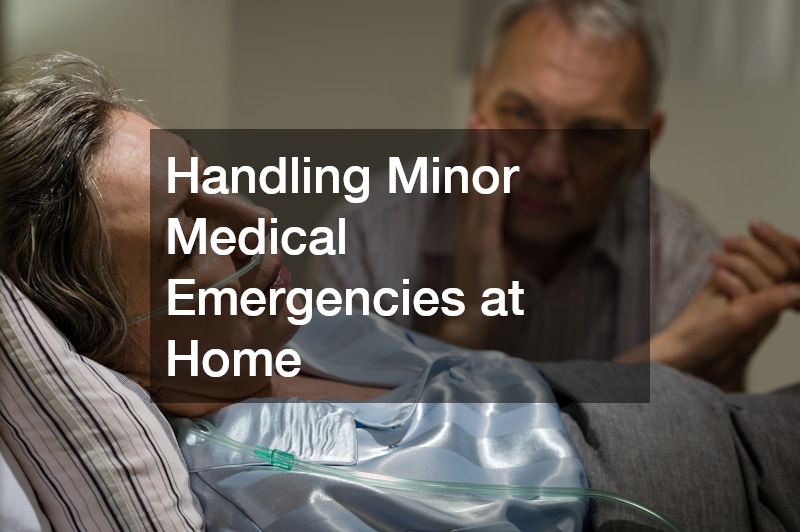
Even with the best preventative routines and careful medication management, unexpected medical situations will inevitably arise. A sudden fever, a minor cut from a kitchen mishap, or a mild sprain from a misstep can disrupt an otherwise peaceful routine. In these moments, knowing exactly where to go can mean the difference between a quick, stressful trip and hours spent waiting in a crowded emergency room. Preparing for these non-life-threatening emergencies ahead of time reduces panic and ensures that minor issues are resolved before they escalate into major complications.
Families should identify a reputable local urgent care center that is easily accessible from home and familiar with treating older adults. These walk-in clinics are perfectly equipped to handle minor fractures, infections, and sudden illnesses that require prompt attention but do not warrant full emergency hospital services. Knowing the location, hours, and capabilities of a nearby clinic provides immense peace of mind to everyone involved. It creates a critical safety net between routine doctor appointments and emergency medical care, allowing individuals to receive efficient, professional treatment and return home to recover in familiar surroundings.
The Transition to In-Home Lifestyle Assistance
While medical readiness forms the backbone of a successful strategy, lifestyle assistance is equally critical for maintaining a high quality of life. Over time, everyday tasks like grocery shopping, preparing nutritious meals, keeping up with housework, and driving to appointments can become physically exhausting or unsafe. Forcing oneself to struggle through these activities can lead to extreme physical fatigue or serious accidents. Accepting help with these daily chores does not signify a loss of independence; rather, it is a smart strategy that preserves energy for more meaningful activities.
Introducing a professional senior home care service allows older individuals to hand over burdensome domestic tasks to trained caregivers who visit the home on a flexible schedule. These professionals assist with everything from meal preparation and housekeeping to companion visits and safe transportation around town. This specialized support ensures that the home remains clean and safe, while also providing valuable social interaction that prevents isolation. By removing the stress of daily chores, individuals can focus their energy on enjoying hobbies, spending time with family, and maintaining a positive outlook on life while staying in their preferred environment.
Structuring Long-Term Medical Assistance at Home
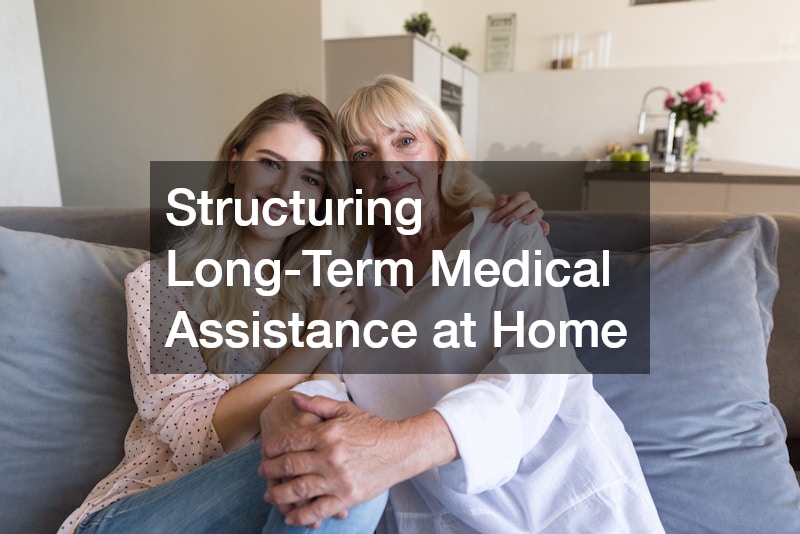
As the aging process continues, there may come a time when non-medical lifestyle assistance needs to be supplemented with professional clinical oversight. Chronic conditions, post-surgical recovery, or complex physical therapy needs require a level of medical expertise that family members or standard companions simply cannot provide. When these clinical needs develop, it is vital to have a system in place that delivers professional medical attention right to the person’s bedside, preventing unnecessary and stressful trips to hospitals or rehabilitation clinics.
Securing reliable home health care ensures that licensed nurses, physical therapists, and occupational specialists can manage medical conditions directly within the residence. This structured medical support includes wound care, intravenous medication administration, physical rehabilitation exercises, and regular health monitoring. Having clinical professionals oversee care at home drastically reduces the likelihood of re-hospitalization and speeds up recovery times after illnesses. It bridges the gap between professional institutional medical centers and the comfort of residential living, offering peace of mind to families who want to ensure their loved ones receive high-quality medical attention without sacrificing their familiar home routine.
Selecting the Right Support Agency
Finding the right mix of lifestyle and medical assistance requires partnering with an agency that understands the unique needs of every family. Navigating the wide variety of available care options can be confusing, making it essential to look for an established organization with a proven track record of reliability, thorough caregiver vetting, and compassionate service. A dependable partner will take the time to evaluate the home environment, understand the specific health goals of the individual, and create a highly customized plan that grows alongside the person’s needs over time.
Choosing to work with an accredited home care company provides families with access to a structured network of background-checked, trained, and insured care professionals. This type of organization handles all the logistics of scheduling, payroll, and backup care if a regular caregiver falls ill, removing a massive administrative burden from family members. A professional agency coordinates seamlessly with doctors and family members to ensure that the care provided matches changing physical and cognitive demands. This reliable partnership allows families to step back from the stressful role of full-time managers and return to simply being supportive, loving children or spouses.
Legal Guardrails and Asset Protection

Alongside medical and physical preparation, proactive aging in place requires solidifying the legal and financial structures that protect an individual’s autonomy and assets. Without proper documentation, unexpected health changes can lead to complicated legal battles, financial confusion, and situations where an individual’s medical preferences are ignored. Establishing a clear legal plan ensures that trusted family members have the authorized power to make financial and medical decisions if a person becomes temporarily or permanently incapacitated. This foundational paperwork removes immense pressure from loved ones during stressful medical events.
To ensure all documents are legally binding and comprehensive, it is crucial to consult a certified estate planning lawyer early in the process. This legal professional helps draft essential documents such as durable powers of attorney, living wills, and asset-protection trusts that safeguard life savings from being entirely depleted by long-term care costs. An experienced attorney can structure documents to clearly outline exactly how medical decisions should be handled, ensuring that the individual’s wishes are respected. Taking care of these legal matters early provides a secure framework that protects personal wealth and guarantees that future decisions align perfectly with a person’s core values.
Legacy Planning and Final Considerations
The final component of a truly comprehensive aging plan involves addressing end-of-life choices with clarity, dignity, and openness. While discussing final arrangements can feel uncomfortable for many families, outlining these choices ahead of time is a profound act of kindness that spares grieving loved ones from making difficult, expensive decisions during a time of intense sorrow. Pre-planning funeral preferences, burial arrangements, and legacy desires ensures that an individual’s unique life history and personal beliefs are honored exactly the way they envisioned, while also eliminating financial surprises for the family.
Part of this process includes choosing lasting commemorative markers, such as a custom memorial headstone, which can be selected and designed well in advance. Deciding on the materials, inscriptions, and design styles ahead of time ensures that the final monument perfectly reflects the person’s personality and achievements. It also protects the family budget from the inflation of future costs and prevents hasty choices during an emotional period. Addressing these final details completes the continuum of care, providing the individual with total control over their legacy and giving the entire family a clear, comforting roadmap to follow when the time eventually comes.
Building a Secure Ecosystem for the Future
Ultimately, preparing to grow older at home is a journey that touches every facet of life, from daily physical habits to long-term legal decisions. It requires moving past denial and embracing a mindset of early, deliberate preparation. When individuals and their families evaluate options, build relationships with local service providers, and establish a clear support system, they can face the future with confidence rather than anxiety. This preparation removes guesswork from later transitions and creates a safe environment where older adults can enjoy their independence for as long as possible.
By balancing preventative medical treatments, professional care partnerships, secure legal frameworks, and respectful planning, families can build an ecosystem that truly supports aging in place. This proactive approach ensures that the home remains a true sanctuary of safety, comfort, and deep dignity. Rather than waiting for a medical emergency to force hasty choices, taking action today allows individuals to dictate the terms of their own future. It turns the later years into a celebrated chapter defined by independence, peace of mind, and personal security.