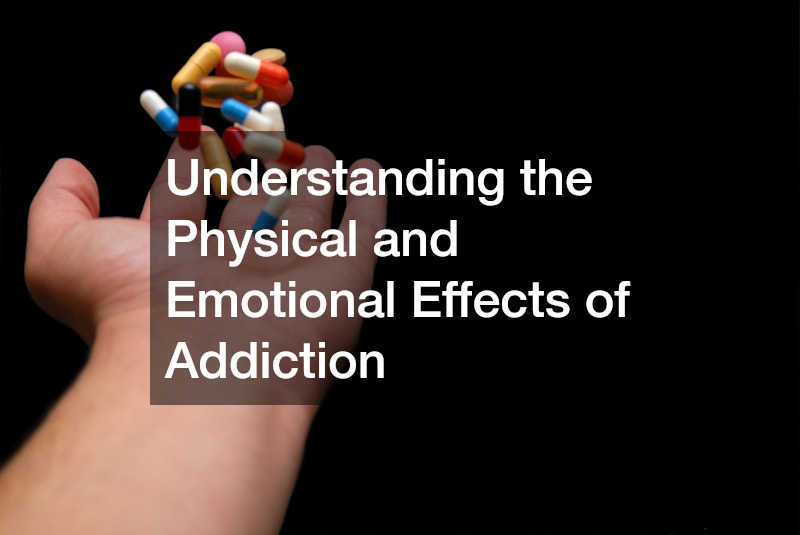
Addiction can affect much more than a person’s ability to control substance use. It can influence physical health, emotional wellbeing, relationships, routines, and the ability to manage everyday responsibilities. These effects can also reinforce one another. Poor sleep may increase emotional distress, while stress may make it harder to maintain healthy habits or follow a treatment plan.
Understanding these connections can make it easier to recognise when additional support may be needed. Recovery often involves addressing substance use alongside physical health, mental wellbeing, relationships, and practical challenges. Different people will need different types and levels of support depending on their circumstances. With appropriate professional guidance, individuals can begin addressing immediate concerns while developing healthier routines that support long-term recovery.
Recognise Changes in Everyday Health

Addiction can gradually change basic routines that support physical and emotional health. Sleep schedules may become irregular, meals may be skipped, hygiene may be neglected, and medical appointments may be missed. These changes can become increasingly difficult to reverse as substance use takes priority.
Legal or financial problems can add another source of instability. For families dealing with an arrest, services involving immediate bail bonds may become part of an already stressful situation. Addressing urgent practical concerns while continuing to focus on health can help prevent one problem from completely overwhelming another.
Start by identifying the areas that have changed most significantly:
- Sleep and wake times.
- Eating and hydration habits.
- Medication routines.
- Personal hygiene.
- Medical appointments.
- Work or household responsibilities.
There is no need to rebuild every routine immediately. Choosing a few manageable habits can provide structure while a person begins addressing the larger effects of addiction.
Family members can also watch for changes that may be difficult for the individual to recognise. Sudden shifts in behaviour, appearance, sleep, or daily responsibilities may indicate that additional support is needed. Approaching these concerns without judgment can make it easier to have an honest conversation about health and recovery.
Build Healthy Activities Into Recovery
Recovery can create significant amounts of unstructured time, particularly when someone is stepping away from routines associated with substance use. Filling that time with positive activities can provide structure while supporting social connection, movement, and emotional well-being.
Some individuals may enjoy activities involving animals, including local equine services. Depending on the setting, these activities can provide opportunities for recreation, responsibility, and connection with others. They should complement appropriate medical or behavioural treatment rather than replace it.
When choosing activities, consider:
- Personal interests.
- Physical abilities.
- Comfort with social settings.
- Availability of regular activities.
- Opportunities to develop new skills.
- Whether professional supervision is appropriate.
A useful activity does not have to be complicated. Walking, gardening, creative hobbies, volunteering, or spending time with supportive people may also provide healthy alternatives to old routines.
The most important consideration is sustainability. Activities that feel manageable and enjoyable are more likely to become lasting parts of a person’s lifestyle.
Consistency matters more than filling every available hour. Starting with one or two activities each week can make a new routine feel manageable. Over time, these activities can become regular parts of daily life and provide healthy alternatives when boredom, stress, or isolation might otherwise become triggers.
Restore Physical Health With Appropriate Support
Substance use can contribute to physical health problems in different ways. Depending on the substance and duration of use, a person may experience nutritional deficiencies, sleep disruption, cardiovascular concerns, neurological effects, or other health complications.
Some individuals may need additional assistance while recovering from significant health problems. Home health care can provide support in certain circumstances when a person needs qualified assistance with medical needs or recovery-related activities.
A supportive health plan may include:
- Attending medical appointments.
- Following prescribed treatment.
- Taking medications as directed.
- Maintaining adequate nutrition.
- Drinking enough fluids.
- Monitoring relevant symptoms.
- Creating a safe home environment.
The amount of assistance needed can change over time. Someone may require substantial support initially and gradually regain independence.
Healthcare professionals can help determine what type of assistance is appropriate. Family members can encourage while allowing the person to participate in decisions and daily activities whenever possible.
Rebuilding physical health can take time, particularly when substance use has affected nutrition, sleep, or general well-being. Small improvements, such as maintaining regular meals or attending routine appointments, can provide a stronger foundation for continued recovery.
Choose Treatment That Matches Individual Needs

There is no single recovery plan that works for everyone. Treatment decisions may depend on the substance involved, severity of use, physical health, mental health, previous treatment experiences, and the amount of support available at home.
Drug rehab services can provide different levels of treatment and support. Before selecting a programme, individuals and families should understand what is offered and whether the approach matches the person’s needs.
Questions to consider include:
- What level of supervision is available?
- Is medical care available when necessary?
- What types of therapy are offered?
- How is progress monitored?
- Are mental health concerns addressed?
- What happens after the programme ends?
Continuing care can be especially important because recovery does not end when an initial treatment programme is completed. People may continue to experience cravings, stressful situations, or challenges rebuilding relationships and routines.
A treatment plan should therefore consider both immediate needs and the support required to maintain progress afterward.
Treatment should also account for practical circumstances that may affect participation. Work schedules, transportation, family responsibilities, and available support can all influence whether a particular programme is realistic. Discussing these factors with treatment professionals can help individuals choose an approach they can consistently follow.
Understand the Purpose of Substance Testing
Testing may be used in healthcare, treatment programmes, employment situations, legal matters, or other circumstances. Its purpose depends on why the test has been requested and how the results will be used.
A local drug testing center may provide testing for individuals who need documented results. However, a test result should not be treated as a complete assessment of someone’s recovery. Testing can provide information, but it does not measure every aspect of physical or emotional well-being.
Before testing, individuals should understand:
- Why the test is being performed.
- What substances it can detect.
- How results are reported.
- Whether confirmation testing is available.
- Who receives the results.
- How the test relates to treatment goals.
Testing can be one part of a broader recovery plan. Conversations about cravings, stress, mental health, physical symptoms, and daily functioning remain important.
A person should not be defined solely by a test result. Recovery involves ongoing changes in behaviour, health, relationships, and coping skills that may not appear on any laboratory report.
Address Alcohol Use With Professional Guidance
Alcohol can affect physical and emotional health, particularly when use is frequent or heavy. Long-term alcohol misuse can interfere with sleep, nutrition, mood, relationships, and overall functioning. Withdrawal can also present serious medical risks for some people.
An alcohol rehab facility may provide structured support for people who need help stopping alcohol use. The appropriate setting depends on factors such as withdrawal risk, medical conditions, mental health needs, and the person’s home environment.
Treatment may involve:
- Medical assessment.
- Withdrawal management.
- Individual therapy.
- Group support.
- Family involvement.
- Relapse-prevention planning.
- Continuing care.
Someone who has been drinking heavily should not assume that suddenly stopping without medical guidance is safe. A healthcare professional can help determine whether supervised withdrawal management is appropriate.
Recovery also involves addressing the reasons alcohol became part of the person’s life. Developing healthier ways to handle stress, emotional discomfort, social situations, and difficult experiences can make lasting change more achievable.
Keep Legal Support Separate From Healthcare
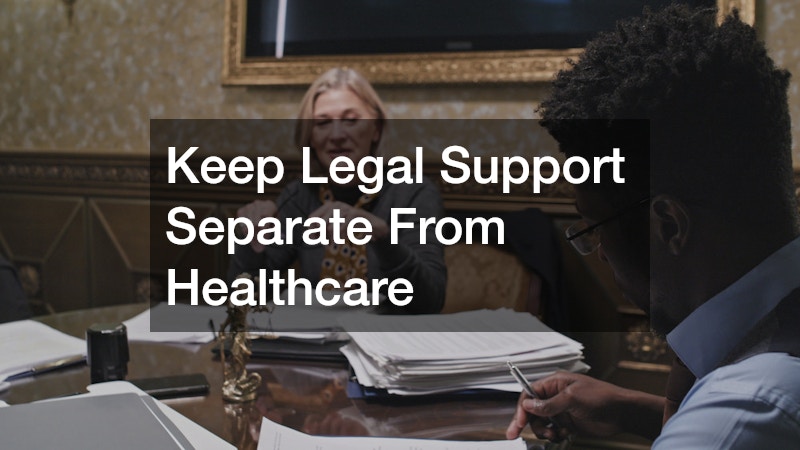
Substance-related legal problems can add considerable stress during recovery. An arrest or criminal allegation may affect employment, finances, family relationships, housing, and emotional well-being.
A drug defense attorney can provide legal guidance when someone faces drug-related allegations. Legal representation addresses legal concerns, while healthcare and treatment professionals address physical and emotional health.
Keeping these roles separate can help individuals manage both areas responsibly:
- Follow legal advice from qualified counsel.
- Continue attending healthcare appointments.
- Keep important documents organised.
- Avoid discussing sensitive legal matters publicly.
- Give healthcare providers relevant information.
- Ask questions when legal requirements affect treatment.
Legal difficulties can create fear and uncertainty, but ignoring health needs while dealing with them can create additional problems.
Individuals may need several forms of support at the same time. Treating legal representation, medical care, and recovery services as separate but complementary resources can make it easier to manage each responsibility.
Recognise the Effects of Nicotine Use
Addiction can involve more than one substance. Someone recovering from alcohol or drug addiction may also use nicotine regularly. These habits can become connected to specific people, locations, emotions, or routines.
Tobacco products can expose users to harmful substances and are associated with serious health risks. For some people, addressing nicotine use may become part of a broader effort to improve overall health.
Individuals can begin by identifying:
- When nicotine use typically occurs.
- Situations that trigger cravings.
- Emotional reasons for using nicotine.
- Social situations connected to use.
- Habits that could replace established routines.
- Support available through healthcare professionals.
There is no requirement to address every habit simultaneously. A healthcare professional can help determine how different health priorities should be approached.
For someone in recovery, understanding connections between substances can also be useful. If one habit consistently triggers thoughts about another substance, recognising that pattern may help the person develop more effective coping strategies.
Consider How Marijuana Use Fits Recovery
Marijuana use can affect individuals differently, and laws governing its possession and use vary by location. For someone recovering from addiction, it may be useful to consider how marijuana fits into their health, treatment goals, daily responsibilities, and other substance-use patterns.
People facing legal questions may consult marijuana lawyers about their specific circumstances. Those legal concerns should be considered separately from healthcare decisions about whether marijuana use is appropriate for an individual.
When evaluating marijuana use, consider:
- Whether it affects daily responsibilities.
- Whether it contributes to unwanted symptoms.
- Whether it interacts with medications.
- Whether it increases cravings for other substances.
- Whether it conflicts with treatment requirements.
- Whether legal restrictions apply.
Healthcare professionals can discuss health-related concerns, while qualified legal professionals can address questions about applicable laws.
Taking both perspectives into account can help someone make informed decisions without allowing legal concerns or assumptions about marijuana to replace a broader assessment of their physical and emotional wellbeing.
Develop Strategies for Managing Major Stressors
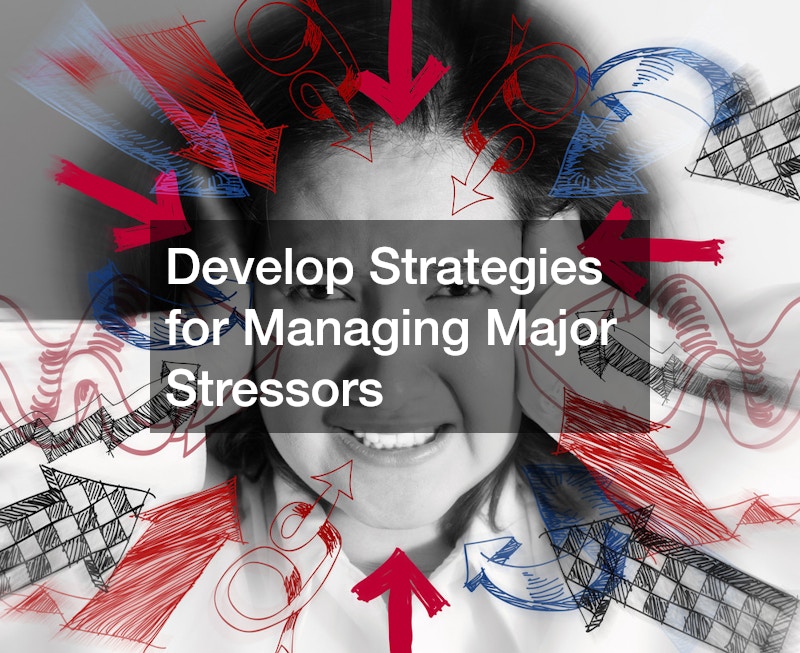
Recovery rarely takes place without outside challenges. Financial problems, relationship difficulties, employment concerns, and legal allegations can create significant stress. Without healthy coping strategies, that stress may increase cravings or contribute to returning to previous patterns of substance use.
For example, corruption charges or other serious allegations can create uncertainty that affects sleep, concentration, relationships, and emotional well-being. Legal matters should be handled through appropriate legal channels while healthcare providers help address the resulting stress.
Useful strategies include:
- Break large problems into smaller tasks.
- Keep scheduled treatment and medical appointments.
- Maintain regular sleep and meal routines.
- Stay connected with supportive people.
- Use healthy activities to manage stress.
- Ask professionals for help with specialised problems.
Recovery does not require a person to eliminate every source of stress. Instead, an important goal is learning how to respond to difficult circumstances without relying on harmful coping mechanisms.
Building these skills can make recovery more resilient when unexpected challenges arise.
Addiction can affect the body, emotions, routines, relationships, and ability to manage everyday responsibilities. Addressing those effects often requires more than stopping substance use. Medical care, treatment, healthy routines, meaningful activities, and practical support can all contribute to recovery. Legal and financial challenges may create additional pressure, but they can be addressed alongside healthcare rather than replacing it. The right combination of support will vary according to each person’s circumstances, health needs, and recovery goals.
Working with qualified professionals can help individuals identify appropriate resources and develop realistic strategies for rebuilding stability. Recovery is an ongoing process, and progress may involve gradual changes rather than an immediate transformation. With consistent support and healthier coping strategies, individuals can work toward improved physical well-being, emotional stability, and a more sustainable daily life.