Key Takeaways
- Regular physical activity can support strength, balance, mobility, heart health, and overall well-being as people age.
- Nutritious meals, adequate protein, fiber, and proper hydration can help meet changing nutritional needs.
- Consistent sleep habits and treatment for ongoing sleep problems can support physical and mental health.
- Preventive screenings, vaccinations, dental care, and regular medical appointments can help identify health concerns earlier.
- Medication reviews can reduce the risk of interactions, side effects, confusion, and other medication-related problems.
- Fall prevention, social connections, and mentally stimulating activities can support independence and quality of life.
- Older adults should report new or persistent physical, emotional, or cognitive changes instead of assuming they are simply part of aging.
Getting older brings changes to the body, but healthy habits can help adults stay active, independent, and comfortable for as long as possible. Small daily choices can support the heart, brain, muscles, bones, and overall well-being.
Healthy aging does not mean trying to avoid every illness or expecting the body to work exactly as it did decades ago. Instead, the goal is to support the body while recognizing that health needs may change with age.
There is also no single routine that works for every older adult. Someone who exercises regularly and manages several chronic conditions may have different needs from someone recovering from surgery or dealing with limited mobility. Health habits should be adjusted to fit individual abilities, medical conditions, medications, and personal goals.
The good news is that healthy changes do not have to happen all at once. A few practical habits followed consistently can make everyday health easier to manage.
Here are 12 habits older adults can consider as part of a healthy lifestyle.
1. Keep Moving Every Day
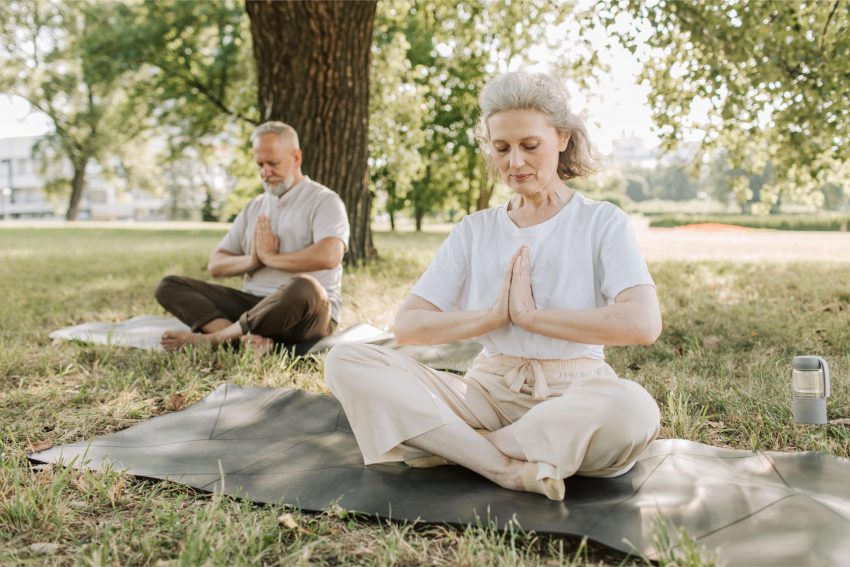
Regular physical activity is one of the most useful habits for healthy aging. Movement supports the heart, muscles, bones, balance, mobility, and mood.
Exercise does not have to mean intense workouts. Walking, swimming, gardening, dancing, cycling, and other enjoyable activities can help people stay active. Household tasks can also add movement to the day.
Strength exercises are especially important because muscle mass and strength can decrease with age. Resistance bands, light weights, or body-weight exercises may help maintain strength when performed safely.
Balance exercises can also help reduce fall risk.
Older adults with medical conditions, pain, or limited mobility should ask a health care professional or physical therapist about appropriate activities. Some people may need seated exercises or modified movements.
The goal is to reduce long periods of inactivity and find safe ways to move regularly. Starting slowly and increasing activity over time is often more sustainable than beginning with a demanding routine.
2. Build Meals Around Nutritious Foods

Nutritional needs can change with age. Older adults may need fewer calories than they did when they were younger, but they still need enough vitamins, minerals, protein, and other nutrients.
Build meals around vegetables, fruits, whole grains, beans, lean proteins, dairy or suitable alternatives, and healthy fats.
Protein deserves special attention because it helps maintain muscles. Eggs, fish, poultry, beans, lentils, yogurt, and other protein-rich foods can be included throughout the day.
Fiber can support digestive health and regular bowel movements. Whole grains, fruits, vegetables, beans, nuts, and seeds are useful sources.
Some older adults struggle with appetite, chewing, swallowing, or preparing meals. Others may have medical conditions that require specific dietary changes.
Instead of following restrictive diets found online, discuss major dietary changes with a doctor or registered dietitian, particularly when managing conditions such as diabetes, kidney disease, or heart disease.
3. Drink Enough Fluids
Hydration can become easier to overlook with age. Some older adults may not feel thirst as strongly, even when their bodies need more fluids.
Keep water available throughout the day and drink regularly instead of waiting until you feel very thirsty.
Other fluids and water-rich foods can also contribute to hydration. Soup, milk, fruits, and vegetables may provide additional fluids.
Signs of dehydration can include dry mouth, dark urine, dizziness, fatigue, and confusion. However, these symptoms can also have other causes.
Hot weather, exercise, fever, vomiting, and diarrhea can increase fluid needs.
Some medical conditions require people to limit fluids. For example, certain heart or kidney problems may require specific recommendations. If a doctor has provided a fluid limit, follow that advice rather than general hydration guidelines.
Creating simple reminders, such as drinking water with meals and medications, can make hydration easier to remember.
4. Make Sleep a Priority
Sleep is important at every age. It supports memory, mood, immune function, and physical recovery.
Older adults may notice changes in their sleep patterns. They might become tired earlier in the evening, wake earlier in the morning, or wake more often during the night.
Try to maintain a consistent bedtime and wake time. Keep the bedroom dark, quiet, and comfortable. A relaxing routine before bed can also signal that it is time to sleep.
Limit caffeine later in the day if it interferes with sleep.
Persistent sleep problems should not automatically be blamed on aging. Pain, medications, anxiety, depression, restless legs, and other conditions can disturb sleep.
Loud snoring, gasping during sleep, morning headaches, and severe daytime sleepiness may be signs of sleep apnea.
Talk with a health care professional if sleep problems are frequent or begin affecting daytime activities.
5. Stay on Top of Preventive Health Care
Preventive care can help identify health problems before they become more difficult to manage.
Keep regular medical and dental appointments and ask which screenings are appropriate based on your age, health history, and individual risk factors.
Recommended care may include blood pressure checks, cholesterol testing, diabetes screening, cancer screenings, bone health assessments, eye exams, hearing tests, and vaccinations.
Recommendations can change over time as research improves. Evolving medical care may also introduce new screening guidelines, treatments, technologies, or preventive options that were not available earlier in life.
Instead of assuming you need every available test, talk with your clinician about which services are appropriate for you.
Bring questions to appointments and ask what each screening or treatment is intended to accomplish. Understanding your care can make it easier to participate in health decisions.
6. Keep an Updated Medication List
Many older adults take several medications, which can make medication management complicated.
Keep an updated list of prescription drugs, over-the-counter medicines, vitamins, and supplements. Include the dose and how often each product is taken.
Bring the list to medical appointments, especially when seeing a new doctor.
Ask your doctor or pharmacist whether any medications may interact with each other or cause side effects such as dizziness, sleepiness, confusion, or increased fall risk.
Never stop a prescription medication simply because you are concerned about a side effect. Some medicines must be reduced gradually, and suddenly stopping others can be dangerous.
A pill organizer, medication chart, or reminder system may help prevent missed or repeated doses.
Families involved in family health management can also help keep medication lists, appointment information, and important health documents organized while respecting the older adult’s independence and preferences.
7. Protect Your Balance and Prevent Falls
Falls can cause serious injuries, especially in older adults. Fortunately, many fall risks can be reduced.
Start by looking around the home for hazards. Loose rugs, cluttered walkways, electrical cords, poor lighting, and slippery bathroom surfaces can increase the chance of falling.
Install grab bars or handrails where appropriate and make sure commonly used items are easy to reach.
Wear supportive shoes that fit properly.
Physical health matters too. Weak muscles, poor balance, vision problems, low blood pressure, and certain medications may increase fall risk.
Strength and balance exercises may help improve stability. A physical therapist can recommend exercises based on individual abilities.
If you have already fallen, tell your health care professional even if you were not seriously injured. A fall may provide an important clue about balance, medication side effects, vision, or another health issue that needs attention.
8. Stay Connected With Other People
Social health is an important part of overall well-being.
Retirement, moving, health problems, hearing loss, and the deaths of friends or family members can sometimes reduce social contact as people age.
Try to maintain regular connections with people you enjoy. Phone calls, meals with family, community activities, religious gatherings, volunteer work, hobby groups, and classes can provide opportunities for interaction.
Technology can also help people stay connected when travel or mobility is difficult.
Social activities do not have to involve large groups. Some people prefer a few close relationships, and that can still provide meaningful connection.
Pay attention to prolonged loneliness, withdrawal, or loss of interest in activities. These changes can sometimes be associated with depression or other health concerns.
If sadness, isolation, or hopelessness continues, talk with a health care professional. Mental health deserves the same attention as physical health.
9. Give Your Brain Regular Challenges
The brain benefits from continued engagement.
Reading, learning new skills, playing games, making crafts, cooking, gardening, learning technology, playing music, and completing puzzles can all provide mental stimulation.
Choose activities you actually enjoy. There is little value in forcing yourself to complete a certain type of puzzle simply because someone claims it prevents memory loss.
Learning something new can be especially engaging because it requires attention, memory, and problem-solving.
Mental activity can also be combined with social connection. Joining a book club, taking a class, or learning a hobby with friends provides several benefits at once.
No single activity can guarantee that dementia will be prevented. However, staying mentally and socially engaged can be part of an overall healthy lifestyle.
If memory or thinking problems begin interfering with daily tasks, schedule a medical evaluation rather than relying only on brain games.
10. Take Care of Your Teeth and Gums
Oral health remains important throughout life.
Brush your teeth regularly with fluoride toothpaste and clean between your teeth using floss or another method recommended by your dentist.
Dentures also require proper cleaning and regular checks for fit.
Dry mouth can become a problem for some older adults, particularly because certain medications reduce saliva. A dry mouth can make eating uncomfortable and may increase the risk of dental problems.
Tell your dentist if you notice mouth pain, bleeding gums, sores that do not heal, loose teeth, or difficulty chewing.
Regular dental visits can help identify problems before they become more severe.
Oral health can also affect food choices. Painful teeth or poorly fitting dentures may cause someone to avoid nutritious foods that are difficult to chew.
Addressing dental problems can therefore support both comfort and nutrition.
11. Limit Alcohol and Avoid Tobacco
Smoking affects nearly every part of the body and increases the risk of many serious health problems.
Quitting can provide health benefits even after years of smoking. If you smoke, ask your health care professional about counseling, medications, or other tools that may make quitting easier.
Alcohol also deserves attention.
Older adults may become more sensitive to alcohol because of changes in the body and interactions with medications. Alcohol may increase dizziness, worsen balance, affect sleep, and contribute to falls.
Certain medical conditions or medications may make avoiding alcohol the safest choice.
If you drink alcohol, discuss what is appropriate for your health with your clinician rather than assuming that general recommendations apply to you.
People who have difficulty controlling alcohol use should seek professional support. If heavy alcohol use has been ongoing, medical guidance may be necessary because suddenly stopping can sometimes cause dangerous withdrawal.
12. Pay Attention to Changes in Your Body and Mind
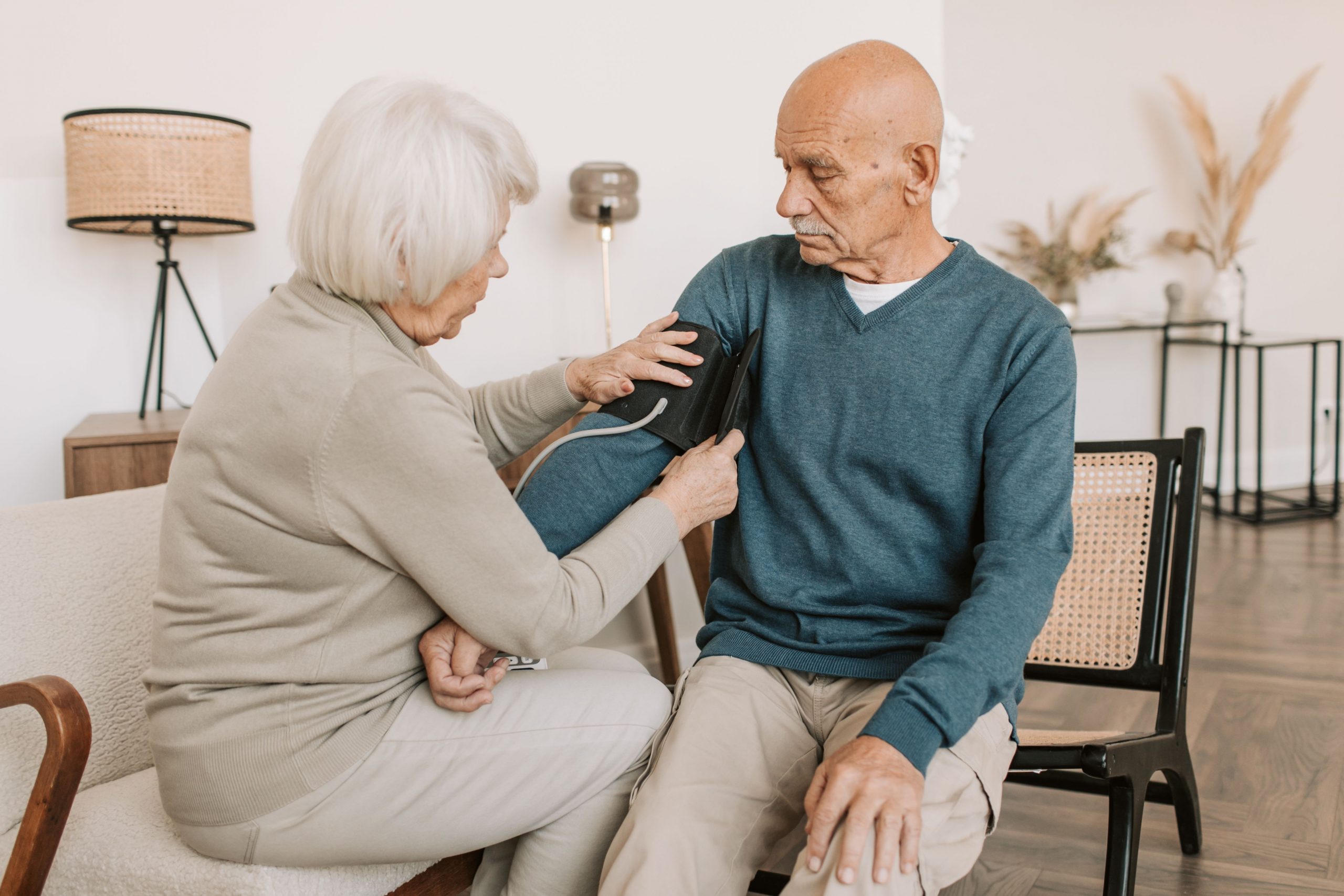
One of the most useful habits in later life is noticing changes instead of automatically assuming they are caused by aging.
Persistent pain, unexplained weight loss, frequent dizziness, new weakness, unusual fatigue, changes in bowel habits, shortness of breath, and other ongoing symptoms deserve attention.
Changes in mood and thinking matter too.
Increasing forgetfulness, confusion, difficulty managing familiar tasks, major personality changes, persistent sadness, or loss of interest in normal activities should be discussed with a health care professional.
Keep notes about new symptoms, including when they started and whether anything makes them better or worse. This information can be helpful during appointments.
Sudden symptoms may require urgent care. Chest pain, severe breathing difficulty, signs of stroke, loss of consciousness, or sudden severe confusion should be treated as medical emergencies.
Aging can bring normal changes, but it should not be used to explain every new health problem.
Conclusion
Healthy aging is built through regular habits rather than one perfect routine. Staying active, eating nutritious foods, drinking enough fluids, sleeping well, and keeping up with preventive care can support health and independence.
Other habits are just as important. Managing medications carefully, reducing fall risks, maintaining social relationships, challenging the brain, and caring for teeth and gums can make everyday life safer and more comfortable.
Older adults should also pay attention to tobacco and alcohol use and take new physical or mental changes seriously.
Health needs can change over time, so routines may need to change as well. An exercise plan that worked several years ago may need adjustments, or new medications may require changes to daily habits.
Work with health care professionals to personalize these recommendations based on medical conditions, mobility, medications, and individual goals.
Most importantly, healthy aging does not require changing everything at once. Choosing one or two realistic habits and practicing them consistently can be a practical place to start. Over time, those small decisions can become part of a healthier and more manageable daily routine.