

Healthcare is no longer limited to treating an illness after symptoms become difficult to ignore. People now have access to services that help them manage emotional challenges, restore movement, improve oral health, and adapt their surroundings to changing physical abilities. These options serve different purposes, but they share an important goal: making everyday life safer, more comfortable, and more manageable.
Choosing appropriate care starts with identifying a specific need rather than searching for a single solution to every concern. A child having difficulty with daily routines may benefit from a different approach than an adult recovering from surgery or an older person struggling with stairs.
Understanding what various services offer can make decisions less overwhelming. It also helps patients ask better questions, recognize when additional evaluations are necessary, and plan for care that supports their long-term well-being. Together, these options can support informed choices without promising identical results for everyone. The following approaches show how healthcare and practical accessibility solutions can address needs across different stages of life.
Supporting Emotional Health Through Individualized Care
Emotional well-being influences how people work, maintain relationships, sleep, and respond to physical health challenges. Persistent anxiety, depressed mood, overwhelming stress, or major life changes can interfere with routines that once felt manageable. Seeking assistance can provide structure for understanding these experiences and finding effective ways to respond.
Mental health services may include individual counseling, group therapy, psychiatric evaluation, and medication management. A licensed professional can help determine which approach fits a person’s symptoms, goals, and preferences. Some patients benefit from learning coping strategies through talk therapy, while others need coordinated care involving a prescribing clinician and additional support.
Treatment is not limited to addressing an immediate crisis. Counseling can also help people navigate grief, parenting challenges, relationship difficulties, or transitions involving school, work, and retirement.
Access matters as much as the type of treatment. Virtual appointments, community clinics, and flexible scheduling can remove barriers for people with transportation difficulties or demanding responsibilities. Patients should ask about professional credentials, confidentiality, fees, and what to expect during the first few visits.
Mental wellness also connects with physical care. Pain, disrupted sleep, and long recovery periods can affect mood, while emotional distress may make it harder to follow treatment recommendations. Open communication among care providers, with the patient’s permission, can help address these overlapping needs without treating every problem as purely physical or psychological.
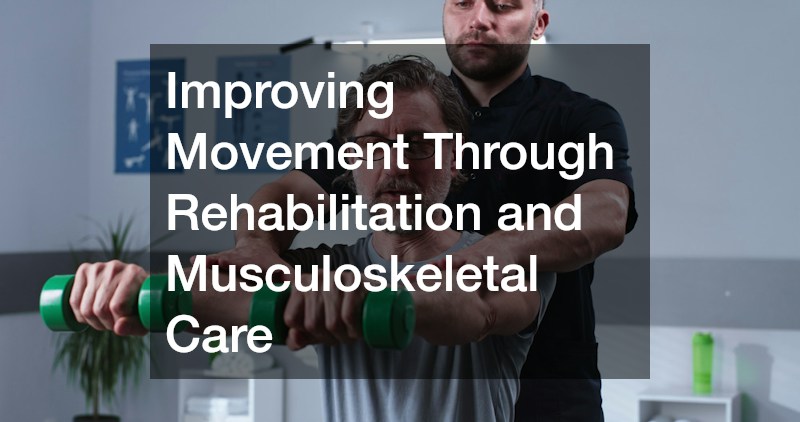
Improving Movement Through Rehabilitation and Musculoskeletal Care
Comfortable movement supports activities as ordinary as carrying groceries, sitting at a desk, or walking through a neighborhood. Injuries, repetitive strain, joint problems, and some chronic conditions can make these tasks painful or tiring. Appropriate treatment begins with an assessment of symptoms, functional limitations, and possible underlying causes.
Chiropractic services commonly focus on musculoskeletal concerns, particularly certain types of back and neck pain. Depending on the clinician and the patient’s condition, care may involve manual techniques, movement advice, and exercises. Patients should discuss the potential benefits and risks of proposed treatments and seek medical assessment for warning signs such as progressive weakness, significant trauma, or changes in bladder or bowel control.
Rehabilitation takes a broader approach to rebuilding function after illness, injury, or surgery. Some physical rehabs offer supervised exercises, balance training, gait instruction, and strategies for returning to everyday activities. Physical therapists may adjust plans as strength, coordination, endurance, and confidence improve.
An effective care plan should also consider the environment where someone lives and works. A person recovering from a knee injury might need guidance about navigating steps, while an office worker may benefit from adjusting workstation habits.
Patients can ask how progress will be measured, which exercises are appropriate at home, and when symptoms should prompt reassessment. Consistent follow-through and clear communication help treatment remain focused on meaningful improvements instead of appointments alone.
Building Everyday Skills During Childhood
Children develop at different rates, and everyday tasks require a surprising combination of physical, sensory, and cognitive skills. Getting dressed, holding a pencil, joining play activities, and following classroom routines can become challenging when one or more of those skills need additional support. Recognizing a difficulty early can create opportunities for targeted assistance.
Pediatric occupational therapy helps children develop abilities used in daily living, learning, and participation. An occupational therapist may evaluate fine motor coordination, sensory processing, self-care routines, and the ways a child interacts with their surroundings. Treatment goals should reflect the child’s individual needs rather than a fixed expectation that every child will progress identically.
Sessions often use play-based activities to make practice engaging and age appropriate. A child learning to manage buttons might work on hand strength and coordination, while another who struggles with classroom tasks might practice organizing materials or maintaining attention during short activities. Therapists may also suggest modifications that make tasks more accessible while skills develop.
Caregiver involvement is especially valuable because children spend most of their time outside therapy appointments. Families can learn practical strategies to reinforce progress during meals, bedtime routines, homework, and play. Teachers and other professionals may contribute observations that help clarify where support is needed.
Clear goals, regular reassessment, and collaboration among adults can help children build independence while respecting their individual pace and strengths.

Addressing Alignment and Oral Development
Oral health involves more than avoiding cavities. The position of teeth and the relationship between the upper and lower jaws can affect cleaning, chewing, and sometimes speech or comfort. Changes in dental development may also influence how confidently someone approaches everyday interactions, although appearance alone should not determine whether treatment is needed.
Orthodontics evaluates and manages tooth alignment and bite concerns. An orthodontist can assess crowding, spacing, and the way teeth meet, then explain whether monitoring or treatment is appropriate. Some patients require braces or other appliances, while others may be candidates for removable aligners.
A clear teeth aligner can appeal to people who prefer a less noticeable option. However, suitability depends on the complexity of tooth movement, dental health, and willingness to wear the trays as directed. Aligners still require professional planning and follow-up; they are not interchangeable with a comprehensive evaluation of the gums, teeth, and bite.
Patients may need to adjust cleaning routines, keep regular appointments, and use retainers after active treatment.
People considering orthodontic treatment should ask about expected outcomes, possible discomfort, maintenance responsibilities, and total costs. Coordinating with a general dentist is important because healthy gums and routine preventive care remain essential during tooth movement. A thoughtful approach prioritizes lasting oral function alongside cosmetic preferences.
Restoring Dental Function After Tooth Loss
Losing a tooth can change more than a smile. Depending on its location, the gap may affect chewing, speech, and how neighboring teeth function. Missing teeth can also complicate daily oral care or make some foods difficult to enjoy. Restoration options should be considered in the context of overall dental health and personal goals.
Dental implant services typically involve assessing whether an implant-supported replacement is appropriate for a missing tooth or multiple teeth. An implant is placed in the jawbone to support a restoration, such as a crown, bridge, or denture. Planning may require imaging, examination of the gums and bone, and a review of medical history and medications.
Not everyone is an immediate candidate. Active gum disease, insufficient bone, certain health conditions, or other factors may call for additional treatment or a different restorative approach. A dental professional can explain the alternatives, including conventional bridges and removable dentures, and discuss the advantages and limitations of each.
The process may involve several appointments and healing periods. Patients should understand expected recovery, hygiene requirements, maintenance needs, and potential complications before committing to care. Daily cleaning and regular checkups remain essential.
The most useful treatment plan balances durability, affordability, oral health, and the patient’s willingness to maintain the restoration over time.

Evaluating Hormonal and Aesthetic Treatment Options
Health concerns can involve gradual changes that are difficult to describe. Fatigue, sleep disruptions, temperature sensitivity, and changes in skin appearance may have many possible causes. Rather than assuming these symptoms point to one diagnosis, patients benefit from a clinical evaluation that considers their history, medications, and other relevant factors.
Hormone replacement therapy may be recommended for certain patients, particularly when specific symptoms and medical circumstances support its use. Treatment decisions depend on the type of hormone, the patient’s age, medical history, and individual risk factors. A qualified prescribing clinician should explain potential benefits, risks, alternatives, and any monitoring that may be needed. It is not a general remedy for fatigue or aging.
A med spa, by contrast, typically offers cosmetic or appearance-focused services that may include skin treatments and selected minimally invasive procedures. These services should not be confused with diagnosis or treatment of an underlying medical condition. Procedures vary in their degree of risk, and oversight requirements differ depending on the service and location.
Before scheduling any procedure, patients should ask who will perform it, what qualifications that person holds, and how complications are handled. They should also discuss medications, allergies, pregnancy status when relevant, and existing skin or health conditions. Promotional claims should never replace informed consent or realistic expectations.
Separating medical treatment from elective aesthetic services helps people decide which options are appropriate and which concerns deserve further investigation.
Making Homes Safer as Mobility Needs Change
Remaining comfortable at home can become more complicated when walking, balancing, or climbing stairs requires extra effort. Changes may follow aging, injury, or illness. Small obstacles that once seemed insignificant can create substantial difficulties during everyday routines.
Home accessibility solutions address the relationship between a person’s abilities and their surroundings. Better lighting, secure handrails, reduced clutter, and accessible storage may help make common tasks easier. The right changes depend on how the person moves, which areas they use, and whether their needs are expected to change.
Stair lift installation may be an option for someone who has difficulty using stairs but can safely transfer to and from a seated lift. A professional assessment should consider staircase dimensions, the user’s mobility, the lift’s capacity, and safe access at both ends. Equipment may not be appropriate for every household or every medical condition, particularly when transfers are unsafe.
Families should also think about emergency planning, maintenance, and the needs of other household members. Occupational therapists and qualified accessibility professionals may offer complementary perspectives on how to improve function at home.
Accessibility is not simply about responding to limitations. Practical changes can help people preserve routines, reduce dependence on assistance for certain tasks, and remain engaged in familiar spaces. Planning before a crisis can make these decisions more deliberate and less stressful.

Coordinating Care Around Long-Term Wellness Goals
With so many services available, it is easy to treat every health concern as a separate project. Yet decisions about mobility, emotional health, dental care, and home accessibility often influence one another.
Coordination begins with identifying the most important challenges and choosing professionals qualified to address them. Primary care clinicians can often help patients understand symptoms, identify when referrals are appropriate, and consider how existing diagnoses or medications affect new treatments. Specialists then contribute focused evaluations and recommendations within their areas of expertise.
Patients can support this process by keeping an updated medication list, documenting symptoms, and sharing relevant treatment information with each provider. Questions about benefits, risks, out-of-pocket expenses, and expected follow-up can clarify what a proposed service will actually involve. When recommendations seem to conflict, requesting an explanation or second opinion is reasonable.
Long-term wellness also requires attention to everyday habits and accessible resources. Adequate sleep, suitable physical activity, preventive dental visits, supportive relationships, and manageable home routines can complement professional care. These habits cannot replace necessary treatment, but they can strengthen a realistic plan for maintaining function and comfort.
No single treatment can meet every need, and more appointments do not always mean better outcomes. The most effective approach is one that respects each person’s priorities, adapts when circumstances change, and measures success through improvements that matter in daily life. By choosing services thoughtfully and maintaining communication among providers, individuals and families can build a more practical foundation for health, independence, and well-being.