
As the population ages, the concept of in home health care has gained significant traction. It’s a service where professional healthcare services are provided in the comfort of one’s home.
This approach is becoming an essential part of the healthcare continuum, offering patients an alternative to traditional hospital stays or nursing homes. The appeal of in home health care lies in its ability to offer personalized care tailored to individual needs. As a result, it helps foster better patient outcomes and higher satisfaction rates.
The notion that healthcare can be administered at home is revolutionizing the way we view patient care. Many families find this option helps reduce the stress and financial burden often associated with extended hospital stays. This model of care is flexible, allowing for services to be adjusted as the patient’s needs change over time. In home health care encompasses a wide range of services, from medical treatments to personal care and assistance with daily activities. This flexibility is a significant benefit, as it ensures that patients receive only the care they need, when they need it.
As more people become aware of the benefits of in home health care, its popularity continues to rise. Patients appreciate the comfort and familiarity of receiving care in their own homes, surrounded by family and personal belongings. This setting can also contribute to faster recovery times and improved mental well-being, as it reduces the risk of hospital-acquired infections and other complications. Moreover, healthcare providers are increasingly recognizing the value of this care model and are looking for ways to expand their services to meet the growing demand. The future of in home health care looks promising, as it offers a sustainable and patient-centered approach to managing health.
Benefits of In Home Health Care
One of the most significant benefits of in home health care is the level of personalized attention patients receive. Unlike in hospitals or nursing homes, care providers can spend more time with each patient, tailoring care plans to individual needs. This personalized approach often leads to better health outcomes, as caregivers can closely monitor patients’ conditions and adjust treatment plans accordingly. Additionally, patients often experience a higher quality of life, as they can maintain their routines and stay connected with friends and family. Personalization also extends to the physical environment, as patients can reside in a familiar setting that enhances healing and comfort.
Another important advantage is the potential cost savings associated with in home health care. Hospital stays and long-term care facilities can be costly, putting a financial strain on families. In contrast, in home health care can be more affordable, helping families allocate their healthcare budgets more efficiently. By reducing the need for hospital admissions and minimizing transportation costs, in home health care offers economic relief to many families. Moreover, this model can prevent hospital readmissions by providing continuous monitoring and preventive care, which is both cost-effective and beneficial for the patient.
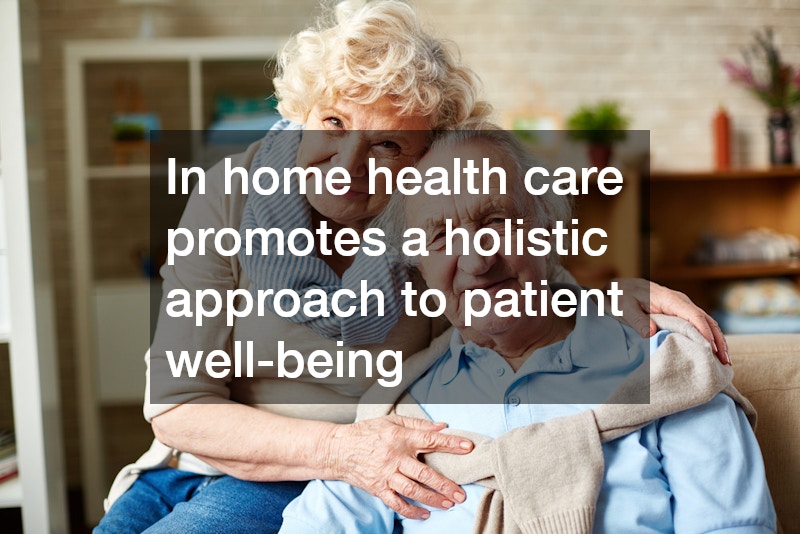
In home health care promotes a holistic approach to patient well-being. It not only addresses medical needs but also considers the emotional and social aspects of a patient’s life. This comprehensive form of care acknowledges that health is not just the absence of illness but a harmonious state of physical, mental, and social well-being. Patients can continue to engage in activities they enjoy, with caregivers facilitating their participation safely. This holistic care approach supports psychological and emotional health, contributing to a more satisfying and fulfilling life for patients and their families.
The Future of In Home Health Care
The future of in home health care is shaped by technological advancements that continue to improve patient care. Telemedicine and remote monitoring devices are becoming integral components, allowing healthcare professionals to track patients’ health data in real-time. This innovation makes it possible to detect potential health issues early, leading to prompt interventions and ultimately better patient outcomes. Additionally, these technologies empower patients to take an active role in their health management. The prospect of accessing quality care at home is made even more promising by such technological breakthroughs that ensure safety and efficiency.
In addition to technology, there is a growing emphasis on training and certifying home healthcare providers to meet growing demand and standards. Specialized training programs are being developed to ensure caregivers possess the necessary skills and knowledge to deliver high-quality care. This education empowers caregivers to support both medical and non-medical needs effectively. Furthermore, having a workforce that is well-trained fosters trust and confidence among patients and their families, making in home health care a more viable and attractive option. As the industry evolves, we can expect to see a more structured and regulated approach that prioritizes patient safety and satisfaction.
The potential for in home health care to fill gaps in healthcare access is significant. Especially in rural or underserved areas, it offers a practical solution to address the shortage of healthcare facilities and professionals. By providing services directly to patients’ homes, it minimizes travel challenges and ensures timely care. In the broader scope, in home health care supports the movement towards community-based healthcare, which focuses on preventive care and maintenance of health within patients’ communities. As healthcare systems worldwide continue to face pressures from aging populations and rising costs, in home health care presents a strategic path forward, balancing the need for accessibility with sustainable care delivery.