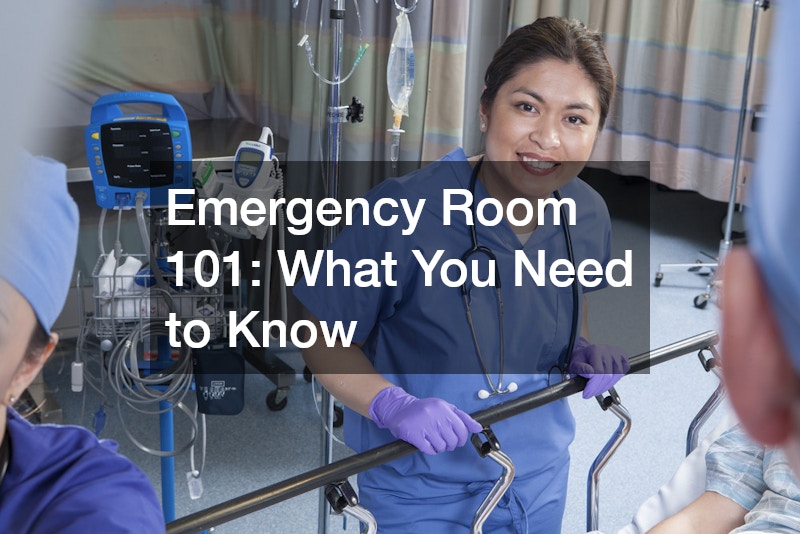
When something unexpected happens and health concerns feel urgent, knowing how emergency care works can make an overwhelming situation feel more manageable. Many people only think about urgent medical treatment when they need it, but a little preparation and understanding can go a long way. From recognizing warning signs to knowing what happens after you arrive, having a general understanding of emergency care helps reduce stress and uncertainty during difficult moments. Being informed also allows you to focus on your health instead of worrying about the process itself.
Knowing When Immediate Care Is Necessary
Not every medical issue requires urgent attention, but some symptoms should never be ignored. Severe chest pain, difficulty breathing, sudden confusion, uncontrolled bleeding, high fever that will not break, or sudden weakness on one side of the body are all signals that immediate medical evaluation is critical.
In these situations, heading to the emergency room ensures access to advanced equipment, diagnostic tools, and trained professionals who can act quickly. Trusting your instincts matters as well. If something feels seriously wrong or symptoms escalate rapidly, seeking care sooner can make a meaningful difference and may prevent complications.
What Happens When You Arrive
Upon arrival, patients go through a triage process. This step helps medical staff prioritize care based on the seriousness of symptoms rather than arrival time. Patients with life-threatening conditions are seen first, which can result in longer wait times for those with less severe issues. This system is designed to save lives, even though it may feel frustrating while waiting. Remaining patient and understanding that unseen emergencies may be happening behind the scenes can help ease tension. Staying nearby and listening for your name is important, as staff may need to reach you quickly.
Understanding Tests, Treatments, and Wait Times
Once called back, the care team may order tests such as blood work, X-rays, CT scans, or heart monitoring. These tests help pinpoint the cause of symptoms and guide treatment decisions. Pain management, fluids, medications, or oxygen may be started quickly to stabilize the patient. While the pace can feel slow at times, every step is intentional. The emergency room team often reassesses symptoms, reviews results, and adjusts treatment plans as new information becomes available, prioritizing safety and accuracy throughout the visit.
What to Bring and How to Prepare
If you are able to plan ahead, keeping essential information readily available can be extremely helpful. A current list of medications, known allergies, prior surgeries, and chronic conditions allows providers to make informed decisions quickly. Identification and insurance details are useful, though treatment will not be delayed in true emergencies if these items are unavailable. Comfortable clothing, a phone charger, and glasses or hearing aids can also make the experience more manageable, especially if the visit lasts longer than expected.
Costs, Insurance, and Follow-Up Care
Emergency care is often more expensive than other types of medical visits due to specialized staffing, equipment, and testing. Costs can vary depending on the complexity of care and length of stay. Reviewing your insurance policy ahead of time can clarify what is covered and what may result in out-of-pocket expenses. After discharge, patients typically receive instructions for follow-up appointments, prescriptions, or home care. Taking these directions seriously helps support healing and reduces the risk of setbacks.
Helping Children or Loved Ones During a Visit
Supporting someone else during an urgent medical visit requires patience and clear communication. Helping explain symptoms accurately, sharing medical history, and asking questions ensure the care team has the information they need. For children, calm reassurance and simple explanations can reduce fear. For older adults or individuals with complex health needs, advocating on their behalf can improve comfort, understanding, and overall outcomes.
Knowing What Happens After Discharge
Leaving the hospital does not always mean the situation is fully resolved. Discharge instructions are an important part of the care process and should be reviewed carefully before heading home. These instructions often include warning signs to watch for, activity limitations, medication schedules, and guidance on when to contact a doctor. In some cases, symptoms may take time to improve, and knowing what is considered normal versus concerning can prevent unnecessary worry. Scheduling follow-up appointments promptly and keeping track of any changes in how you feel helps ensure continued recovery. Taking notes, asking questions before leaving, and having a trusted person review the instructions with you can make post-visit care clearer and more manageable.
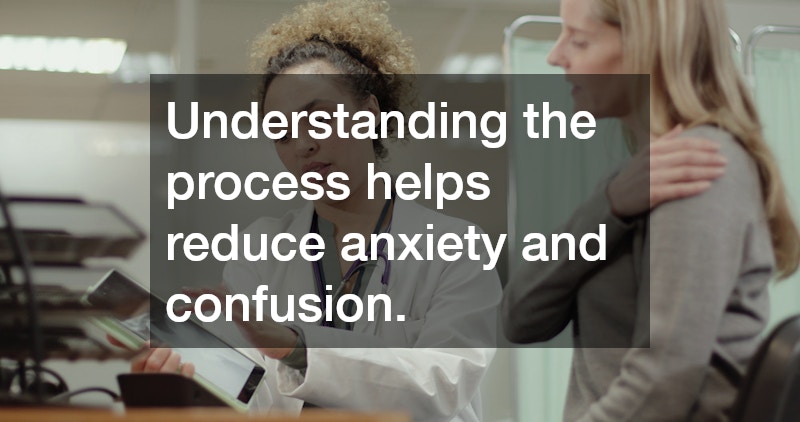
While medical emergencies are never easy, understanding the process helps reduce anxiety and confusion. Knowing when to seek immediate care, what triage involves, and how treatment decisions are made allows you to feel more prepared. Whether for yourself or someone you love, having this knowledge makes the experience more manageable and allows the emergency room to focus on providing timely, effective care when it matters most.