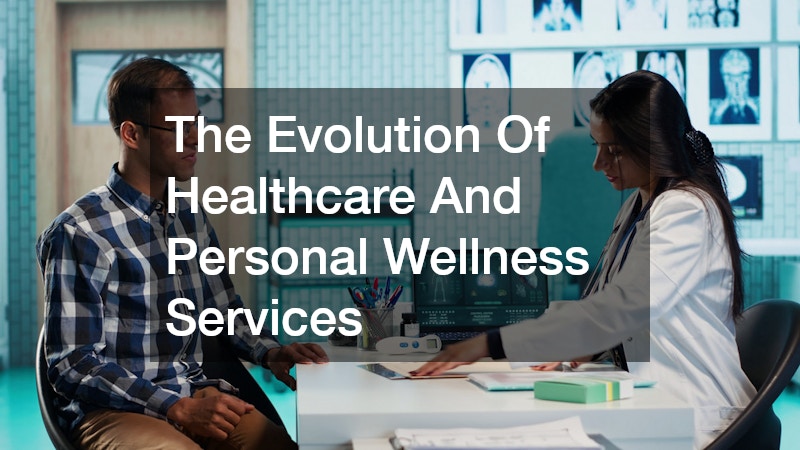

Healthcare has undergone a major transformation over the past several decades. What was once a system primarily focused on diagnosing illness and providing treatment has expanded into a far more integrated model that includes prevention, rehabilitation, mental health support, and aesthetic care. Instead of reacting to problems after they occur, modern healthcare increasingly emphasizes maintaining long-term wellness and improving overall quality of life.
Patients have also changed. Today’s healthcare consumers are more informed, more engaged, and more selective. They expect personalized care that considers not only physical health, but also emotional well-being and appearance. This shift has led to a more collaborative healthcare environment where multiple specialties often work together to support a single individual.
In this article, we’ll explore how different areas of healthcare and wellness have evolved, and how individuals can better navigate the wide range of services now available.
Restoring Mobility and Confidence After Injury or Reconstruction
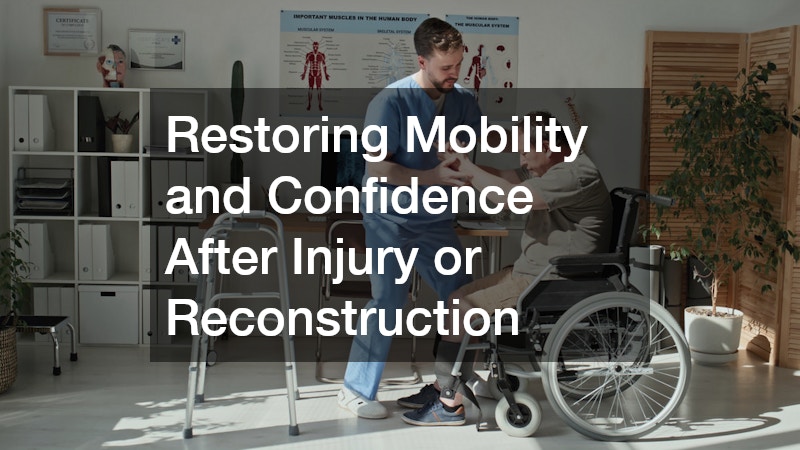
Recovery from injury, illness, or congenital conditions often involves both medical and emotional rebuilding. In these cases, a plastic surgeon may play a critical role in reconstructive procedures that restore physical structure and improve function. These procedures are not only about appearance—they often directly impact mobility, independence, and quality of life. Depending on the severity of the condition, reconstruction may involve multiple stages, each designed to gradually restore strength, alignment, and usability. Patients often find that progress is incremental, requiring patience and consistent follow-up care rather than immediate results.
Alongside surgical care, prosthetics have become highly advanced and personalized. Modern prosthetic devices are designed to mimic natural movement more closely than ever before, allowing individuals to regain independence in daily life. Innovations in materials, joint mechanics, and digital customization have made it possible for prosthetics to better match a person’s body structure and lifestyle needs. Many devices are now tailored not only for walking or basic movement but also for more active use, including sports, work, and recreational activities.
Choosing between surgical reconstruction and non-surgical support depends heavily on the individual situation. Some patients require surgery to repair structural damage, while others may achieve strong outcomes using prosthetic support alone. In many cases, both approaches are combined for the best long-term results. This decision is typically made after detailed evaluation of physical condition, recovery potential, and long-term functional goals.
Recovery is not just physical—it requires coordination between multiple care providers. A strong recovery plan often includes surgical teams, rehabilitation specialists, and prosthetic experts working together to guide the patient through each stage of healing. Communication between these providers ensures that treatment decisions remain aligned and adjustments can be made as the patient progresses.
Key factors that improve outcomes include:
- Early intervention and personalized treatment planning
- Consistent physical therapy and rehabilitation
- Proper fitting and adjustment of mobility devices
- Emotional support during adaptation
- Regular follow-ups to monitor progress and make necessary changes
In many cases, psychological adjustment is just as important as physical recovery. Patients often need time to adapt to changes in body image, movement, and daily routines. Support systems, including counseling and peer communities, can play a valuable role in helping individuals regain confidence and independence.
This coordinated, multi-disciplinary approach helps patients rebuild not only function, but also confidence in their everyday lives, creating a more stable foundation for long-term recovery and improved quality of life.
Blending Medical Aesthetics with Everyday Self-Care Services
Modern wellness culture has created a space where medical treatments and personal self-care often overlap, and this overlap has reshaped how people approach appearance and confidence. A med spa typically offers advanced, medically supervised aesthetic procedures such as skin rejuvenation, injectables, chemical peels, and non-surgical cosmetic enhancements. These services are performed with clinical oversight, which allows for more targeted and higher-intensity treatments compared to traditional beauty settings. The goal is not only cosmetic improvement but also measurable, longer-lasting results supported by medical expertise.
In contrast, beauty salons focus more on routine grooming and cosmetic maintenance. Services such as hair care, basic facials, nail treatments, and styling are designed to support everyday appearance and personal expression. While they may not involve medical oversight, they still play an important role in helping individuals maintain confidence and consistency in their self-care routines. For many people, these environments also provide relaxation and stress relief, which indirectly supports overall well-being.
The challenge for many individuals today is deciding where to go for specific needs. Some treatments require medical supervision, particularly those involving devices that penetrate deeper layers of the skin or alter biological processes. Others are purely cosmetic and can be safely performed in non-clinical settings. Understanding this distinction helps reduce risk while ensuring that expectations match the type of service being provided.
A balanced approach often works best in practice. Many individuals combine clinical treatments with regular salon care and at-home routines, creating a layered system of maintenance and enhancement. For example, someone might visit a med spa for periodic corrective treatments while relying on a salon for routine upkeep and personal grooming between visits. At-home care, such as skincare routines or hair maintenance, further extends the results of professional services.
When choosing providers, it is important to consider more than just convenience or cost. The quality and safety of care depend heavily on provider qualifications and operational standards.
Key factors to evaluate include:
- Licensing and certifications that confirm proper training
- Hygiene and safety standards within the facility
- Transparency about procedures, risks, and expected outcomes
- Realistic expectations for results rather than exaggerated claims
- Clear communication during consultations and follow-up care
Ultimately, this combination of medical and lifestyle-based care reflects the modern shift toward holistic wellness, where appearance, health, and confidence are treated as interconnected rather than separate priorities.
Safe Approaches to Skin Enhancement and Removal Treatments

Skin-focused procedures have become increasingly popular, especially treatments like tattoo laser removal. These procedures use targeted laser technology to break down pigment in the skin gradually over time. While effective, they require patience and multiple sessions to achieve desired results.
Cosmetology professionals play an important role in guiding patients through these treatments. Proper training ensures they understand skin structure, safety protocols, and how different skin types respond to treatment.
Before undergoing any laser-based procedure, patients should understand that results vary. Factors such as skin tone, ink depth, and overall health all influence outcomes. Recovery is usually manageable, but aftercare is essential for reducing irritation and improving healing.
Common considerations before treatment include:
- Number of sessions required
- Temporary skin sensitivity or redness
- Importance of sun protection during healing
- Provider experience and certification
Cosmetology training also helps professionals educate patients on maintaining skin health before and after procedures, which improves long-term results and reduces risks.
Improving Circulatory Health Through Modern Treatment Options
Circulatory health plays a major role in overall wellness, yet it is often overlooked until symptoms become noticeable. One of the most effective modern solutions is laser vein treatment, which provides a minimally invasive way to address vein-related concerns.
Patients often seek treatment after noticing symptoms such as heaviness in the legs, swelling, or visible vein patterns. While these symptoms may seem minor at first, they can indicate underlying vascular issues that may worsen over time if left untreated.
During consultation, specialists evaluate the severity of the condition and recommend appropriate treatment options. Laser-based procedures are commonly preferred because they offer reduced discomfort and shorter recovery times compared to traditional surgical methods.
After treatment, lifestyle adjustments are important for maintaining results. These often include regular movement, hydration, and avoiding long periods of inactivity.
Key questions to ask before treatment include:
- What results can realistically be expected?
- How many sessions will be required?
- What is the recovery process like?
- What experience does the provider have?
A thoughtful approach ensures safer outcomes and long-term vascular health.
Maintaining Long-Term Oral Health and Preventive Care Habits

Oral health is one of the most important aspects of overall wellness, yet it is often neglected until problems arise. A dentist plays a key role in preventing issues through early detection, routine care, and patient education.
Daily habits are the foundation of oral health. Simple routines such as brushing and flossing can significantly reduce the risk of cavities and gum disease. However, consistency is what truly makes the difference over time.
Key daily habits include:
- Brushing twice daily with proper technique
- Flossing regularly to remove plaque buildup
- Limiting sugary foods and beverages
- Staying hydrated to support saliva production
Regular dental visits are equally important. These appointments allow professionals to identify early warning signs and prevent more serious complications from developing.
Preventive care typically includes cleaning, examination, and sometimes imaging to detect hidden issues. This proactive approach helps reduce long-term treatment costs and improves overall health outcomes.
Prioritizing Emotional Wellness in a Fast-Paced Healthcare System
Emotional health is now recognized as a core component of overall wellness. A depression therapist provides structured support for individuals experiencing emotional strain, helping them develop coping strategies, reframe negative thought patterns, and improve daily functioning in a sustainable way. This support is especially important in a fast-paced healthcare environment where stress, burnout, and constant demands can make it difficult for individuals to recognize their own emotional needs.
Emotional challenges can develop gradually and often affect sleep, energy, focus, and relationships. Over time, untreated stress can also begin to influence physical health, contributing to fatigue, headaches, or weakened immune response. Recognizing early signs is important for timely intervention and can prevent symptoms from becoming more severe or disruptive.
These signs may include persistent sadness, loss of motivation, irritability, or withdrawal from social interaction. When addressed early, therapy can significantly improve long-term outcomes by providing individuals with tools to manage emotions more effectively and build resilience in everyday life.
Therapy is most effective when combined with healthy lifestyle habits. Emotional wellness is not isolated—it is influenced by physical health, routines, and environment.
Helpful supportive strategies include:
- Regular therapy sessions
- Physical activity for stress reduction
- Mindfulness or journaling practices
- Maintaining consistent daily structure
- Limiting excessive digital or work-related overload
In addition, building supportive relationships and setting healthy boundaries in both personal and professional life can further strengthen emotional stability. This integrated approach reflects the modern understanding that mental and physical health are deeply connected and must be supported together for long-term well-being.
Understanding Fitness and Compliance in Modern Medical Requirements

Certain professions require standardized medical evaluations to ensure individuals are physically fit for their roles. A dot physical is one example of such an assessment, commonly used to evaluate overall health and safety readiness, particularly in occupations where physical performance and alertness directly affect public and workplace safety. These evaluations are structured to confirm that individuals can safely meet job demands without increasing risk to themselves or others.
These evaluations typically assess vision, cardiovascular health, blood pressure, neurological function, and general physical condition. Depending on job requirements, they may also include hearing tests, respiratory screening, and a detailed review of medical history. In many ways, they function as both compliance checks and preventative health screenings, helping identify issues that may otherwise go unnoticed.
Preparation can improve both the accuracy of results and the overall experience. Individuals are encouraged to approach the evaluation with consistency and care.
Key preparation steps include:
- Getting adequate rest the night before the exam
- Staying properly hydrated and eating balanced meals
- Bringing required documentation and medical records
- Avoiding caffeine or stimulants that may affect vital signs
- Taking prescribed medications as directed unless advised otherwise
Common reasons for failed evaluations include unmanaged health conditions, elevated blood pressure, or incomplete medical history disclosure. Temporary factors such as stress, illness, or lack of sleep can also influence results. Being honest and transparent about medical history helps reduce complications and ensures more accurate assessments.
Long-term health maintenance is essential for both passing future evaluations and maintaining overall wellness. This includes:
- Regular physical activity to support cardiovascular health
- Balanced nutrition to maintain energy and weight stability
- Stress management techniques such as relaxation or mindfulness
- Routine preventive healthcare visits and screenings
- Prioritizing consistent sleep patterns and hydration
Maintaining these habits not only supports compliance requirements but also contributes to improved daily performance, energy levels, and long-term quality of life.
Healthcare has evolved into a complex, interconnected system that extends far beyond traditional treatment. It now includes surgical care, rehabilitation, mental health support, preventive medicine, and aesthetic services—all working together to support the whole person.
As options continue to expand, individuals have more opportunities than ever to take control of their health journey. Making informed decisions, choosing qualified providers, and maintaining consistent preventive habits are key to achieving long-term well-being.
Ultimately, modern healthcare is no longer just about treating illness—it is about supporting a balanced, sustainable, and fulfilling life.