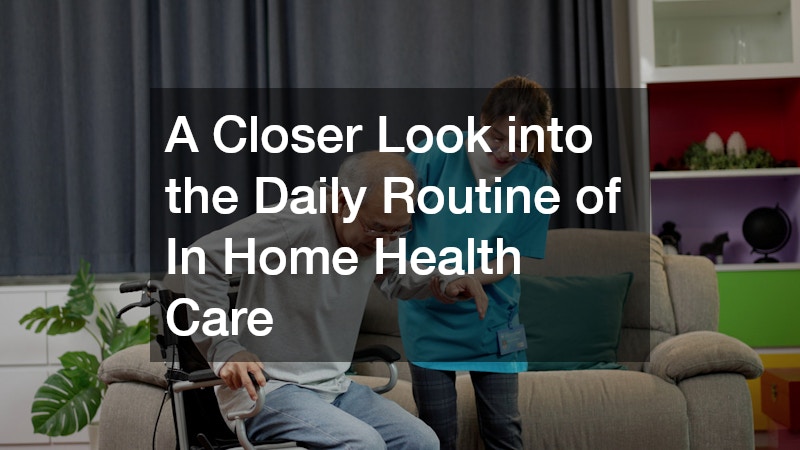

This article delves into the intricate day-to-day operations and responsibilities associated with in home health care services, shedding light on the various aspects that contribute to effective and compassionate patient support.
What Does a Typical Day Look Like for an In-Home Health Aide?
Overview of Daily Responsibilities
An in home health care aide begins their day with a review of the scheduled visits and patient needs. They prioritize tasks ranging from basic caregiver activities like bathing and feeding to more specialized medical attention.
Flexibility is essential as unexpected situations may arise, requiring aides to adapt their plans promptly. Routine tasks ensure that patients receive consistent care without interruption.
Documentation is a critical component of an aide’s role, meticulously recording patient progress and any changes observed. This helps to maintain an accurate patient history for future reference.
Variations in Routine Based on Patient Needs
Patient-specific requirements significantly influence an aide’s daily activities, with conditions such as dementia or mobility issues demanding special attention. Health aides adapt their care to address each patient’s unique circumstances, ensuring personalized support.
The ever-evolving nature of patient health necessitates constant vigilance and adaptability from aides. Regular communication with healthcare professionals is crucial in updating care plans based on the patient’s current condition.
Aides often need to integrate family members into the care routine, ensuring they are informed and involved in decision-making. This collaborative approach optimizes patient outcomes and enhances satisfaction.
How are Care Plans Developed and Implemented?
Collaboration with Healthcare Professionals
In home health care aides work closely with healthcare professionals to develop comprehensive care plans tailored to patient needs. This collaboration ensures that the care provided aligns with medical recommendations and standards.
The interdisciplinary approach enriches the planning process, drawing on diverse expertise to address both medical and personal care requirements. Regular team meetings facilitate the exchange of critical updates on patient care.
This teamwork approach helps to anticipate potential health crises, proactively adjusting care strategies accordingly. It underscores the importance of communication between the in-house team and external medical consultants.
Customization Based on Patient Health Status
Care plans are living documents that require periodic reassessment based on patient progress or decline. In-home aides play an active role in monitoring these changes and suggesting modifications to ensure optimal care.
The customization of care is pivotal in addressing the varied health status of patients, such as differences in chronic conditions and recovery stages. This personalization enhances patient comfort and engagement.
Feedback from patients and families also plays an integral role, offering insights that can refine how care is delivered. Aides encourage open dialogue to improve the individual’s experience.
How Do In-Home Health Workers Ensure Patient Safety?
Adherence to Safety Protocols
Epidemics and the COVID-19 pandemic highlighted the necessity of stringent hygiene and safety protocols. In-home aides fastidiously adhere to these measures to safeguard patient health against infections.
Safe environments are maintained through regular safety checks of equipment and living areas. This preventative approach minimizes fall risks and other potential accidents.
Continuous education on new safety regulations provided by health organizations is mandatory. It ensures that aides remain compliant and informed of the latest industry standards.
Managing Emergency Situations
Health aides are trained to recognize and respond to emergencies with urgency and calm composure. Rapid assessment and immediate intervention are key to managing patient crises effectively.
Emergency protocols are ingrained through rigorous training, enhancing an aide’s capacity to act swiftly and accurately. Regular drills ensure preparedness and reduce response time.
Aides maintain communication lines with emergency services and healthcare providers, ensuring coordinated efforts during critical situations. This network reinforces patient safety and supports the aide’s response strategy.
What Skills are Essential for In-Home Health Care Workers?
Interpersonal and Communication Skills
The relationship between an aide and a patient hinges on the aide’s ability to communicate effectively and empathetically. Establishing trust is paramount in supporting both emotional and physical health needs.
Listening skills play a vital role, allowing aides to understand patient concerns and preferences. This understanding fosters a supportive environment that can aid in recovery or improve morale.
Building strong rapport not only benefits patient health but also alleviates the emotional burdens faced by aides, improving their job satisfaction and resilience.
Technical and Medical Expertise
Aides must possess a thorough grounding in medical procedures and caregiving techniques. This technical expertise ensures that patients receive high-quality care that promotes their health and well-being.
Ongoing education and certification in in home health care is crucial. It supports aides in being proficient with the latest medical technologies and procedures.
This knowledge is complemented by practical skillsets such as first aid and specialized caregiving, forming a comprehensive care approach that is responsive to patient needs.
What Challenges Do In-Home Health Workers Face?
Emotional and Physical Demands
In-home health care work is both physically demanding and emotionally taxing. Aides often find themselves in situations that require great emotional resilience and physical endurance.
Managing the emotional labor associated with patient loss or decline can be challenging. Support networks and counseling services are vital in helping aides process these experiences.
Physical strain is a common hazard, with tasks often requiring lifting or assisting patients. Proper ergonomic practices and strength training help mitigate physical injuries.
Navigating Patient and Family Dynamics
Working within patients’ homes, aides encounter complex family dynamics that require careful negotiation and diplomacy. Building and maintaining positive relationships are crucial for fostering a cooperative home environment.
Conflicts and misunderstandings can arise from differing expectations between family members and care objectives. Clear contracts and regular discussions help align these expectations to ensure cohesive care.
For aides, developing cultural competency is essential in addressing the diverse values and beliefs encountered. It enhances mutual respect and the effectiveness of the caregiving role.
Conclusion
The role of in-home health care workers is both challenging and rewarding, requiring a blend of empathy, skill, and resilience to meet the diverse needs of patients effectively. This exploration of their daily routine underscores the critical contributions they make to patient well-being and home care standards.
This article delves into the intricate day-to-day operations and responsibilities associated with in home health care services, shedding light on the various aspects that contribute to effective and compassionate patient support.
What Does a Typical Day Look Like for an In-Home Health Aide?
Overview of Daily Responsibilities
An in home health care aide begins their day with a review of the scheduled visits and patient needs. They prioritize tasks ranging from basic caregiver activities like bathing and feeding to more specialized medical attention.
Flexibility is essential as unexpected situations may arise, requiring aides to adapt their plans promptly. Routine tasks ensure that patients receive consistent care without interruption.
Documentation is a critical component of an aide’s role, meticulously recording patient progress and any changes observed. This helps to maintain an accurate patient history for future reference.
Variations in Routine Based on Patient Needs
Patient-specific requirements significantly influence an aide’s daily activities, with conditions such as dementia or mobility issues demanding special attention. Health aides adapt their care to address each patient’s unique circumstances, ensuring personalized support.
The ever-evolving nature of patient health necessitates constant vigilance and adaptability from aides. Regular communication with healthcare professionals is crucial in updating care plans based on the patient’s current condition.
Aides often need to integrate family members into the care routine, ensuring they are informed and involved in decision-making. This collaborative approach optimizes patient outcomes and enhances satisfaction.
How are Care Plans Developed and Implemented?
Collaboration with Healthcare Professionals
In home health care aides work closely with healthcare professionals to develop comprehensive care plans tailored to patient needs. This collaboration ensures that the care provided aligns with medical recommendations and standards.
The interdisciplinary approach enriches the planning process, drawing on diverse expertise to address both medical and personal care requirements. Regular team meetings facilitate the exchange of critical updates on patient care.
This teamwork approach helps to anticipate potential health crises, proactively adjusting care strategies accordingly. It underscores the importance of communication between the in-house team and external medical consultants.
Customization Based on Patient Health Status
Care plans are living documents that require periodic reassessment based on patient progress or decline. In-home aides play an active role in monitoring these changes and suggesting modifications to ensure optimal care.
The customization of care is pivotal in addressing the varied health status of patients, such as differences in chronic conditions and recovery stages. This personalization enhances patient comfort and engagement.
Feedback from patients and families also plays an integral role, offering insights that can refine how care is delivered. Aides encourage open dialogue to improve the individual’s experience.
How Do In-Home Health Workers Ensure Patient Safety?
Adherence to Safety Protocols
Epidemics and the COVID-19 pandemic highlighted the necessity of stringent hygiene and safety protocols. In-home aides fastidiously adhere to these measures to safeguard patient health against infections.
Safe environments are maintained through regular safety checks of equipment and living areas. This preventative approach minimizes fall risks and other potential accidents.
Continuous education on new safety regulations provided by health organizations is mandatory. It ensures that aides remain compliant and informed of the latest industry standards.
Managing Emergency Situations
Health aides are trained to recognize and respond to emergencies with urgency and calm composure. Rapid assessment and immediate intervention are key to managing patient crises effectively.
Emergency protocols are ingrained through rigorous training, enhancing an aide’s capacity to act swiftly and accurately. Regular drills ensure preparedness and reduce response time.
Aides maintain communication lines with emergency services and healthcare providers, ensuring coordinated efforts during critical situations. This network reinforces patient safety and supports the aide’s response strategy.
What Skills are Essential for In-Home Health Care Workers?
Interpersonal and Communication Skills
The relationship between an aide and a patient hinges on the aide’s ability to communicate effectively and empathetically. Establishing trust is paramount in supporting both emotional and physical health needs.
Listening skills play a vital role, allowing aides to understand patient concerns and preferences. This understanding fosters a supportive environment that can aid in recovery or improve morale.
Building strong rapport not only benefits patient health but also alleviates the emotional burdens faced by aides, improving their job satisfaction and resilience.
Technical and Medical Expertise
Aides must possess a thorough grounding in medical procedures and caregiving techniques. This technical expertise ensures that patients receive high-quality care that promotes their health and well-being.
Ongoing education and certification in in home health care is crucial. It supports aides in being proficient with the latest medical technologies and procedures.
This knowledge is complemented by practical skillsets such as first aid and specialized caregiving, forming a comprehensive care approach that is responsive to patient needs.
What Challenges Do In-Home Health Workers Face?
Emotional and Physical Demands
In-home health care work is both physically demanding and emotionally taxing. Aides often find themselves in situations that require great emotional resilience and physical endurance.
Managing the emotional labor associated with patient loss or decline can be challenging. Support networks and counseling services are vital in helping aides process these experiences.
Physical strain is a common hazard, with tasks often requiring lifting or assisting patients. Proper ergonomic practices and strength training help mitigate physical injuries.
Navigating Patient and Family Dynamics
Working within patients’ homes, aides encounter complex family dynamics that require careful negotiation and diplomacy. Building and maintaining positive relationships are crucial for fostering a cooperative home environment.
Conflicts and misunderstandings can arise from differing expectations between family members and care objectives. Clear contracts and regular discussions help align these expectations to ensure cohesive care.
For aides, developing cultural competency is essential in addressing the diverse values and beliefs encountered. It enhances mutual respect and the effectiveness of the caregiving role.
Conclusion
The role of in-home health care workers is both challenging and rewarding, requiring a blend of empathy, skill, and resilience to meet the diverse needs of patients effectively. This exploration of their daily routine underscores the critical contributions they make to patient well-being and home care standards.