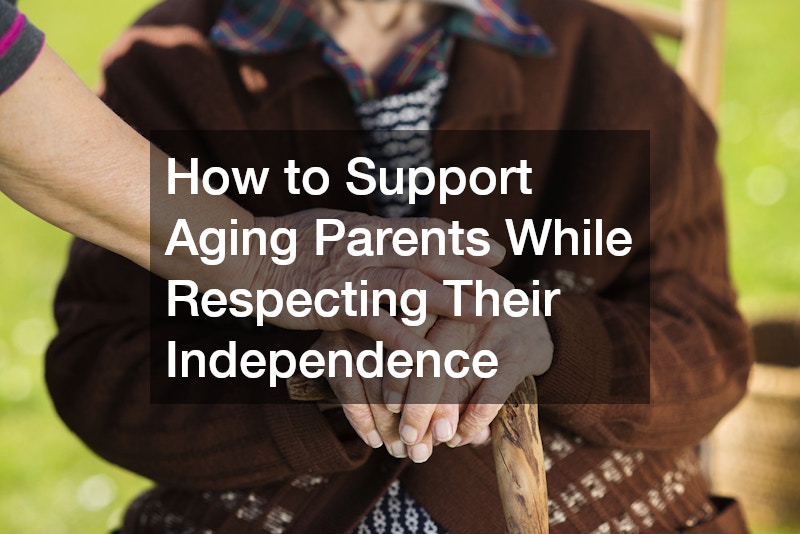

Supporting aging parents is one of the most meaningful responsibilities people encounter, yet it is also one of the most emotionally layered. As parents grow older, their needs may change in ways that feel unfamiliar or even uncomfortable for everyone involved. It can be difficult to know when to step in and when to hold back, and it’s common to worry about doing too much or too little. Many adult children are torn between wanting to keep their parents safe and wanting to ensure they retain a sense of dignity and independence.
Balancing these priorities requires patience, awareness, and clear communication. It also demands a shift from thinking of yourself as a caretaker to viewing yourself as a partner in their evolving journey. Respecting their autonomy does not mean ignoring legitimate concerns; it means involving them in decisions that affect their lives and crafting solutions that support—not replace—their capabilities.
This article offers practical strategies for helping aging parents stay safe, connected, and independent, while avoiding the pitfalls of overstepping. Through thoughtful conversations, small but strategic adjustments, and proactive planning, families can build an environment where aging parents feel valued and empowered. The goal is to support them in ways that strengthen their autonomy, not diminish it.

Start With Open, Respectful Conversations About Their Daily Routines
Aging parents often feel most supported when their voices remain central to decisions about their care. The foundation of helping them age well—while respecting their independence—is building trust through calm, honest communication.
Create a Comfortable Space for Dialogue
Start by asking open-ended questions about their routines, comfort levels, and priorities. Rather than assuming what they need, let them guide the conversation. This approach is especially important when introducing supportive resources, such as in home care services, which can be a sensitive topic. The key is to frame support as an enhancement, not a takeover.
Instead of asking, “Do you need help?” try questions like, “Are there parts of the day that feel more tiring or stressful than before?” This gives parents room to express concerns without feeling judged or diminished.
Discuss Daily Tasks Without Pressure
Daily routines often reveal early signs of where support may be useful. For instance, if they mention difficulty retrieving medications from the local pharmacy, this may be a good opportunity to explore simple support options. But rather than offering solutions immediately, ask what changes would make things easier for them. The more they lead, the more likely they are to feel comfortable accepting help.
Make Subtle Home Adjustments That Promote Safety Without Overstepping
Home is more than a physical space—it’s a symbol of independence. For older adults, changes to their home environment must be introduced thoughtfully to avoid feelings of lost autonomy.
Evaluate Mobility and Accessibility Together
Mobility challenges often develop gradually. A collaborative home safety walkthrough can help identify small improvements that reduce fall risks without making the home feel clinical. Some of these adjustments may include improved lighting, slip-resistant flooring, or simple reorganization of frequently used items.
When mobility becomes more challenging, equipment such as a chair lift may help parents continue moving freely between levels of the home. It’s important to approach this topic gently and give them time to consider whether a chair lift fits their lifestyle.
Choose Services That Support Independence
Sometimes, outside expertise is needed to install accessibility equipment properly. A local stair lift service can assess specific home layouts and recommend the safest, least intrusive installation options. Involving parents in every step—from research to selection—helps reinforce the message that these modifications are tools for empowerment, not symbols of decline.
Support Health and Wellness While Letting Them Stay in Control
Good health is critical to independence, but encouraging wellness should never feel controlling. Instead, consider how to support their habits in ways that align with their preferences.
Encourage Regular Checkups
Routine medical visits can help detect issues early, yet some aging parents avoid them due to anxiety or inconvenience. Offer to accompany them—but only if they want company. If they prefer to go alone, respect that choice and simply check in afterward to see how the appointment went.
Promote Healthy Activities They Enjoy
Exercise is far more sustainable when it’s enjoyable. Instead of insisting on activities they dislike, explore low-impact options such as walking groups, water aerobics, or gardening. Nutrition can also be supported subtly by helping stock their favorite healthy foods or planning shared meals.
Collaborate on Medication Management
If they take multiple medications, help them establish a system that keeps everything organized. This may include using pill organizers, setting reminders, or syncing prescriptions to reduce trips. The goal is not to manage the medications for them, but to help them maintain control with less stress.

Strengthen Their Social Connections to Reduce Loneliness
Social isolation is one of the biggest threats to the well-being of older adults. Staying socially active boosts mental, emotional, and even physical health.
Encourage Activities That Feel Meaningful
Rather than pushing new programs on them, start by asking which hobbies or groups they miss. Rekindling former interests often feels more comfortable than trying something unfamiliar. For example, if they previously enjoyed attending a community center or local club, offer to help with transportation or scheduling if needed.
Support Their Existing Social Circles
Sometimes, all parents need is a little help maintaining their current friendships. Offering rides, arranging get-togethers, or encouraging video calls can help them stay engaged. Empowering them to maintain relationships on their own terms reinforces their independence.
Explore Opportunities for Community Involvement
Volunteer programs, faith communities, and senior organizations offer meaningful ways to stay connected. Look for opportunities that match their personality—for example, someone who loves reading might enjoy joining a book club, while someone who enjoys helping others may appreciate a mentorship role.
Introduce Care Options Gradually to Ease Resistance
Discussions about new living environments can be emotionally charged. Many parents worry that exploring supportive options means losing control of their lives.
Plant Seeds Early Rather Than During a Crisis
The earlier you begin conversations about supportive living environments, the less pressure your parents will feel. Casual introductions—such as briefly visiting an assisted living facility during an open house—can help them see that these communities are vibrant and empowering.
If they show interest, offer to research features that matter to them. This may include the layout of a senior assisted living apartment, activity schedules, or transportation options. Allow them to set the pace of exploration to reduce anxiety.
Focus on Lifestyle Benefits
Reframe the conversation from “you need help” to “this could make life easier and more enjoyable.” Many assisted living options offer amenities like wellness programs, social events, and maintenance-free living that support independence rather than replace it.
Help Them Build a Long-Term Support Network You Don’t Have to Manage Alone
No one can handle every aspect of caregiving alone—nor should they. A broad support network ensures your parents receive comprehensive assistance without sacrificing independence.
Connect Them With Reliable Professionals
Professionals such as financial advisors, healthcare specialists, and an estate planning attorney provide guidance that family members may not be equipped to offer. Introducing your parents to an estate planning attorney early helps ensure their wishes are clearly documented and reduces stress for everyone.
Explore Community-Based Support
Many families find strength in resources offered by an assisted living community, even before a parent considers moving. Some communities provide day programs, meal options, or social events open to nonresidents. These services help parents stay engaged without requiring a full relocation.
Encourage Them to Lead Their Support Network
Whenever possible, allow parents to schedule appointments, initiate conversations, and choose the professionals they feel most comfortable with. This helps maintain their confidence and sense of autonomy.

Plan Ahead for Potential Moves to Reduce Chaos During Transitions
Even when parents wish to remain at home, planning ahead for possible future transitions can reduce stress if circumstances change.
Start Downsizing Early and Gently
Downsizing doesn’t have to be overwhelming. Approach it gradually, beginning with items they no longer use or want. Make it a collaborative process—ask for their preferences, respect sentimental attachments, and work at a pace they choose.
Use Professional Help When Needed
If a move becomes necessary—perhaps to be closer to family or to transition into a supportive environment—professional assistance can significantly reduce chaos. A reputable moving company can handle heavy lifting, packing, and logistics, giving your parents more energy to focus on settling in.
During transitions, maintaining small comforts makes a big difference. Something as simple as arranging a familiar chair by the window or bringing in their preferred ripe fruit delivery can help them feel grounded in a new space. Small gestures help maintain routines and ease emotional strain.
Encourage Independence Through Technology That Respects Privacy
Technology can be a powerful support tool for aging adults—if implemented with care and respect.
Choose Tools That Fit Their Comfort Level
Not all older adults feel comfortable with complex apps or devices. Start with simple solutions: easy-to-use phones, medication reminders, voice assistants, or wearable safety devices. Introduce only one new technology at a time and provide hands-on training.
Respect Their Boundaries
Monitoring tools, such as motion sensors or cameras, should never be installed without consent. Discuss their comfort level openly and emphasize that the goal is safety, not surveillance. Many parents are more receptive when they help choose the device and settings.
Use Technology to Strengthen (Not Replace) Social Connections
Encourage them to use video calls, messaging apps, or digital photo frames to stay connected with family and friends. These tools help maintain independence while providing emotional support.
Support Their Autonomy in Financial, Legal, and Daily Decision-Making
Independence extends beyond physical abilities—it includes the freedom to manage one’s own affairs whenever possible.
Avoid Taking Over Unnecessarily
Unless safety or legal issues demand intervention, allow parents to maintain control of their financial and daily decisions. Offer assistance only where requested, such as setting up automatic bill payments or organizing documents.
Create Systems That Allow Oversight Without Control
Shared access to certain accounts, read-only financial tools, or co-managed calendars can help you stay informed while still allowing them autonomy. The goal is a partnership rather than parent-child reversal.
Encourage Open Dialogue Among Siblings
If multiple family members are involved, ensure everyone communicates clearly. Misunderstandings can lead to unnecessary conflict or unintentional overstepping. Regular check-ins help keep everyone aligned with your parents’ wishes.

Care for Yourself So You Can Continue Caring for Them Well
Caregiving is meaningful but also emotionally taxing. Supporting yourself is essential—not selfish.
Recognize Signs of Burnout
Signs include exhaustion, irritability, sleep disturbances, and feeling overwhelmed. Ignoring these signs can lead to decreased patience and effectiveness.
Set Healthy Boundaries
It’s okay to say no. Decide what you can reasonably offer and communicate that clearly. Overcommitting may lead to resentment or burnout, which ultimately helps no one.
Seek Support for Yourself
Lean on friends, relatives, or professional caregivers when needed. Many support groups exist for adult children caring for aging parents, offering guidance and emotional relief. Remember: sharing responsibility models healthy independence for your parents as well.
Supporting aging parents while honoring their independence is one of the most delicate, meaningful efforts a family can make. It requires a thoughtful blend of compassion, patience, and clear communication. The goal is never to take over their lives but to enhance their comfort, safety, and well-being in ways that respect their values and preferences. As parents age, their needs may shift, but their desire for autonomy remains deeply rooted. By involving them in every decision, offering choices rather than directives, and approaching challenges with empathy, families can help aging parents feel empowered rather than restricted.
This journey also requires flexibility. What works today may need adjusting tomorrow, and it’s important to revisit conversations regularly. Planning ahead, building a strong support network, and remaining proactive can prevent stress during future transitions. Most importantly, offering support shouldn’t come at the cost of your own well-being. Sustainable caregiving involves caring for yourself as diligently as you care for your parents.
Ultimately, supporting aging parents is not just about managing logistics or providing solutions—it’s about preserving dignity, honoring their lifetime of independence, and strengthening the loving bond you share. With the right approach, aging can become a journey you navigate together with respect and resilience.